How does Non-Profit solar work?

The Basics

Solar energy systems silently and efficiently convert sunlight into electricity with no moving parts and minimal maintenance. In addition, the systems operate pollution-free.

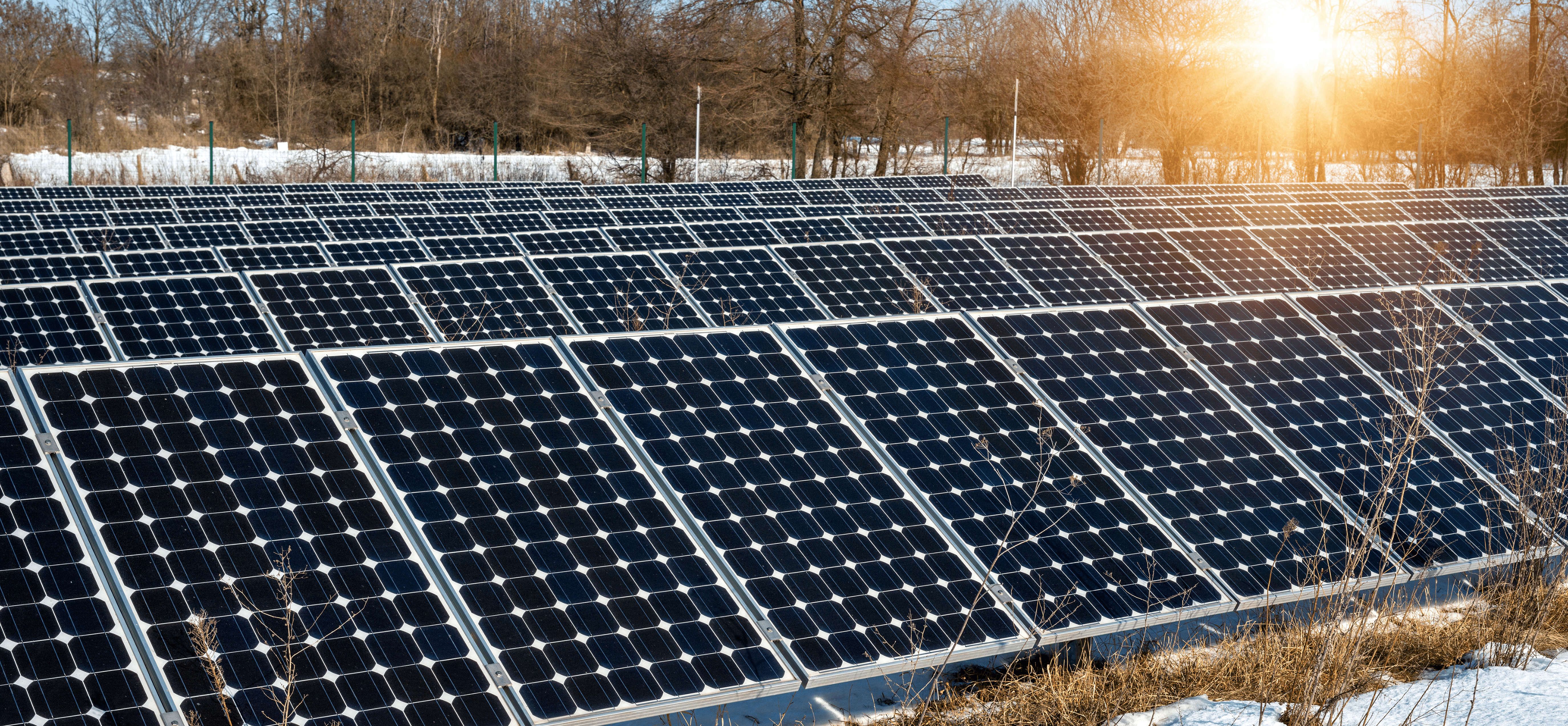
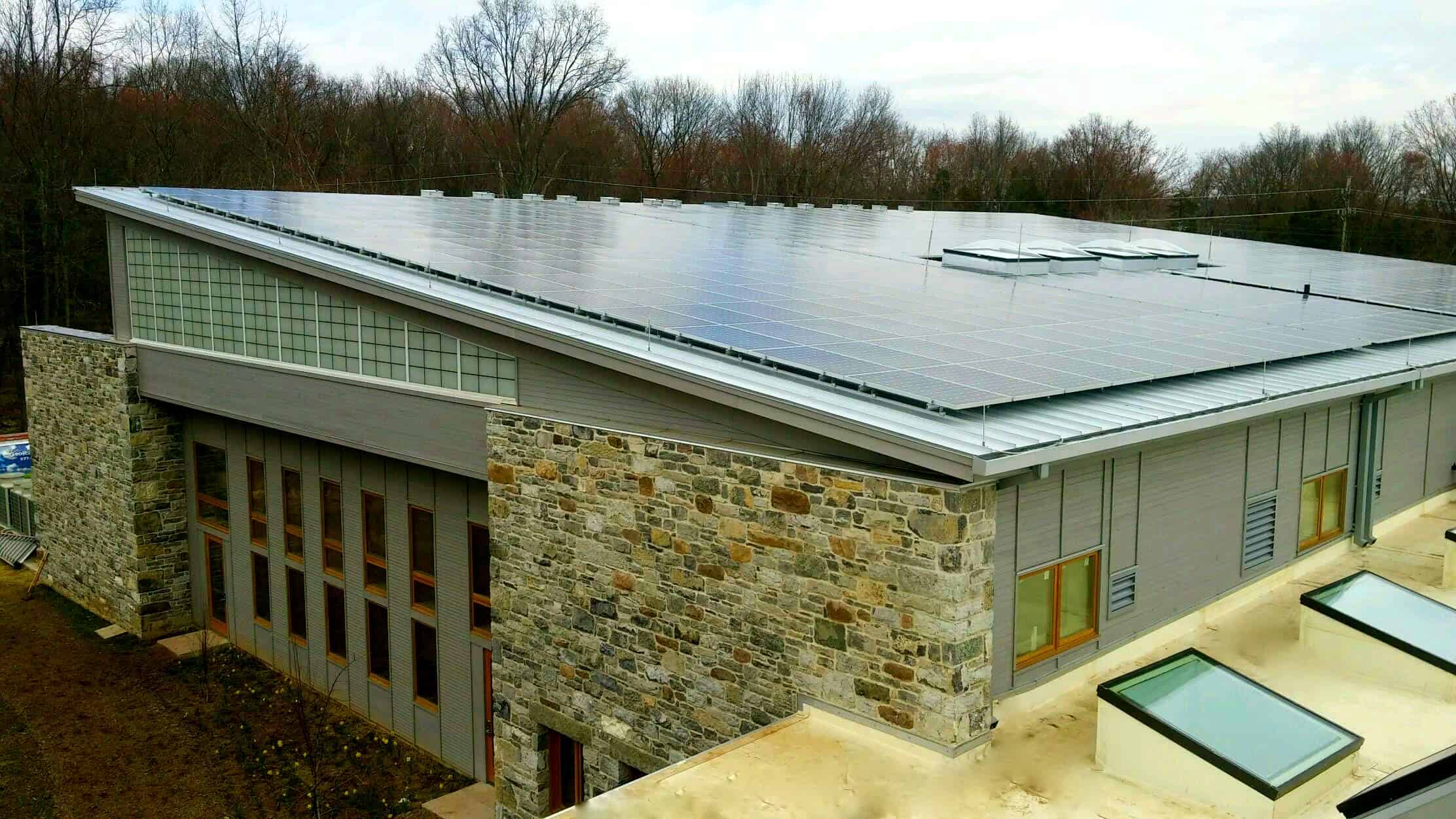
A. Solar Modules (or Panels) - composed of several electrically connected photovoltaic cells mounted in a support structure or frame. These modules are designed to supply direct current (DC) electricity when photons from the sun’s light hit the cells. Electricity production is dependent upon how much sunlight hits the modules.

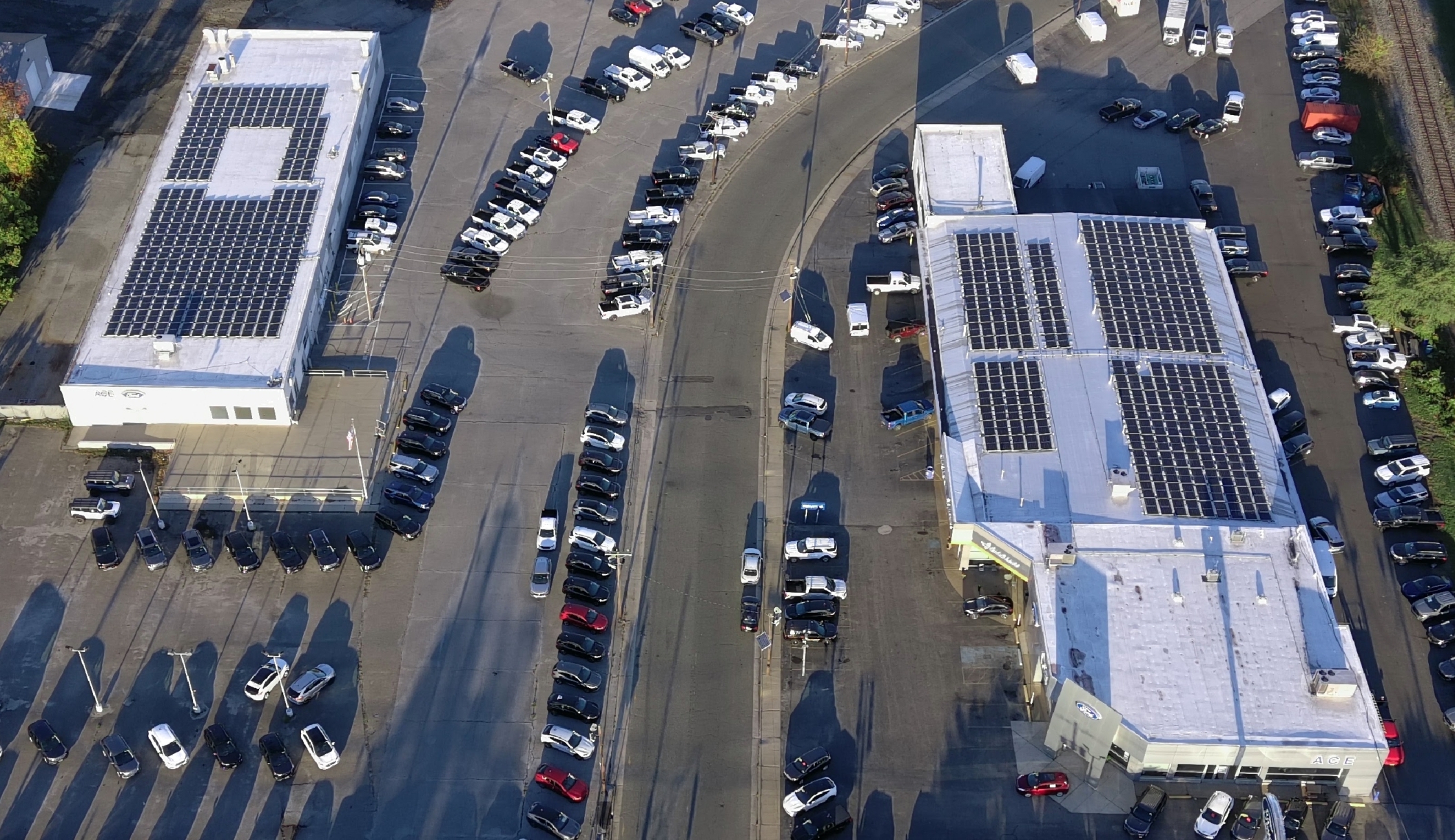
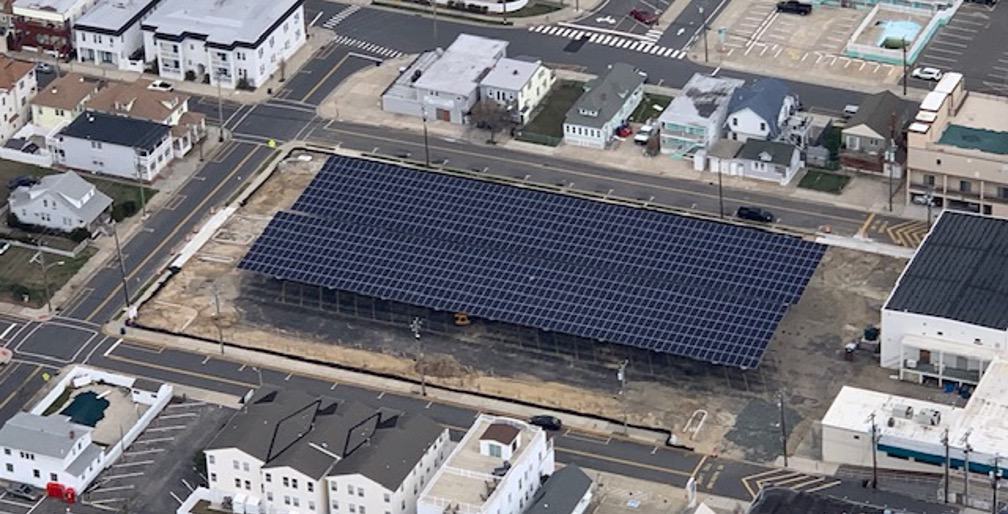
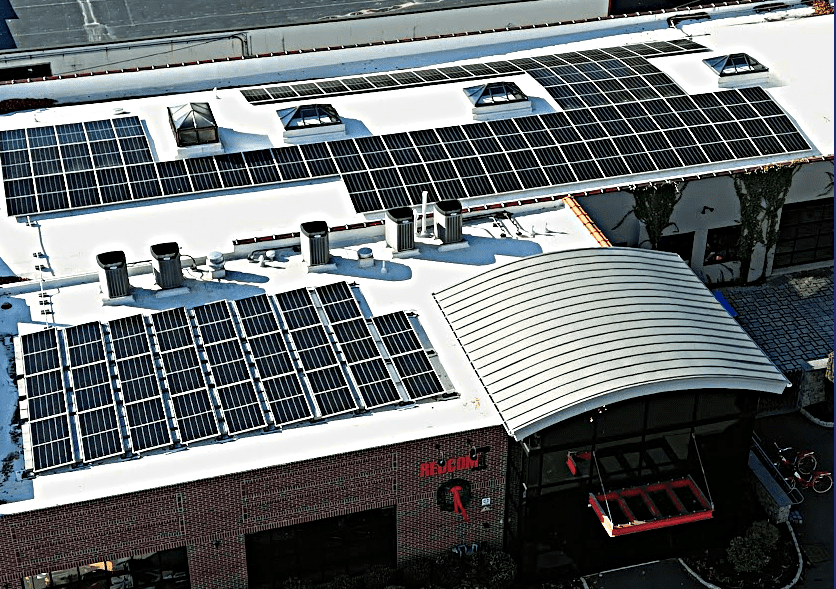
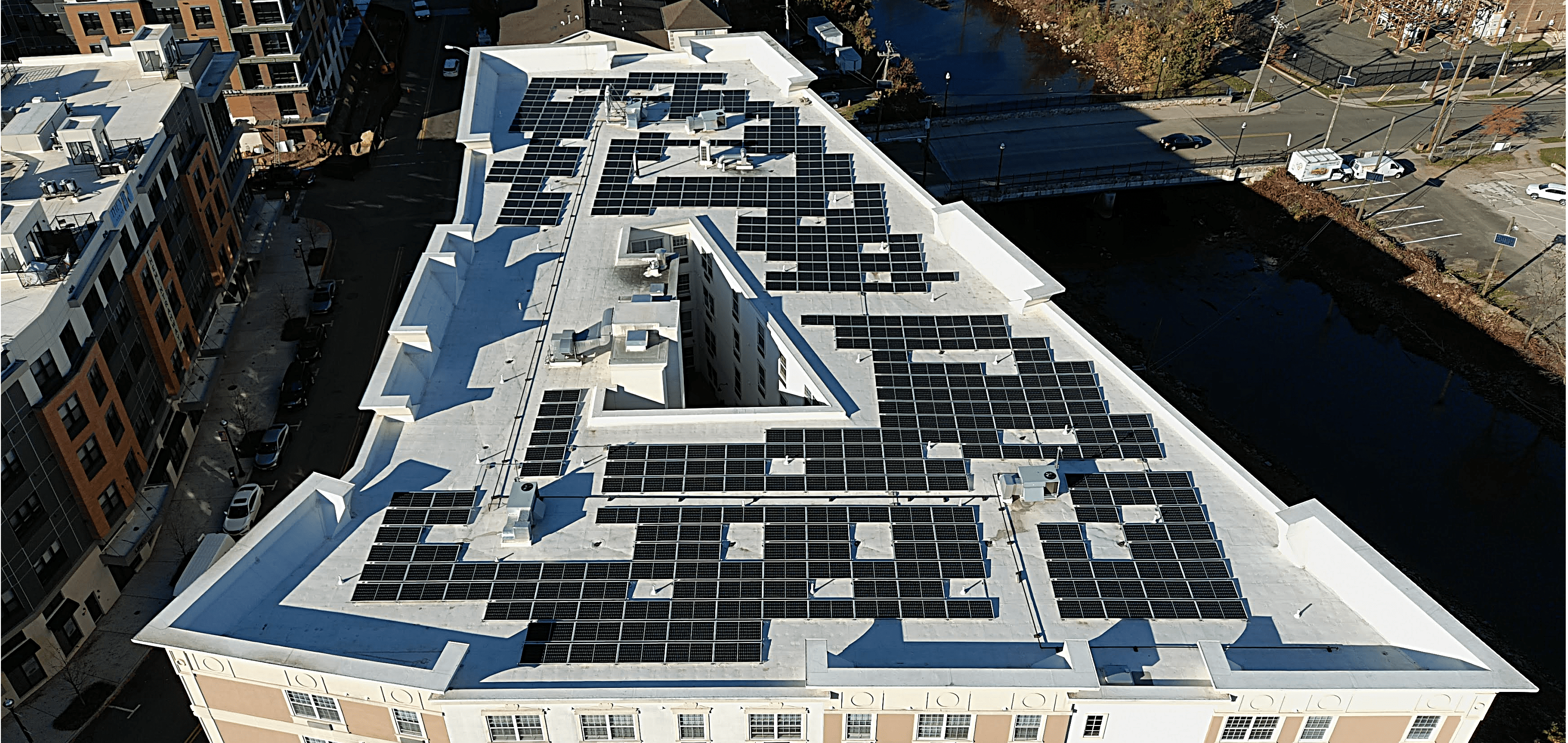
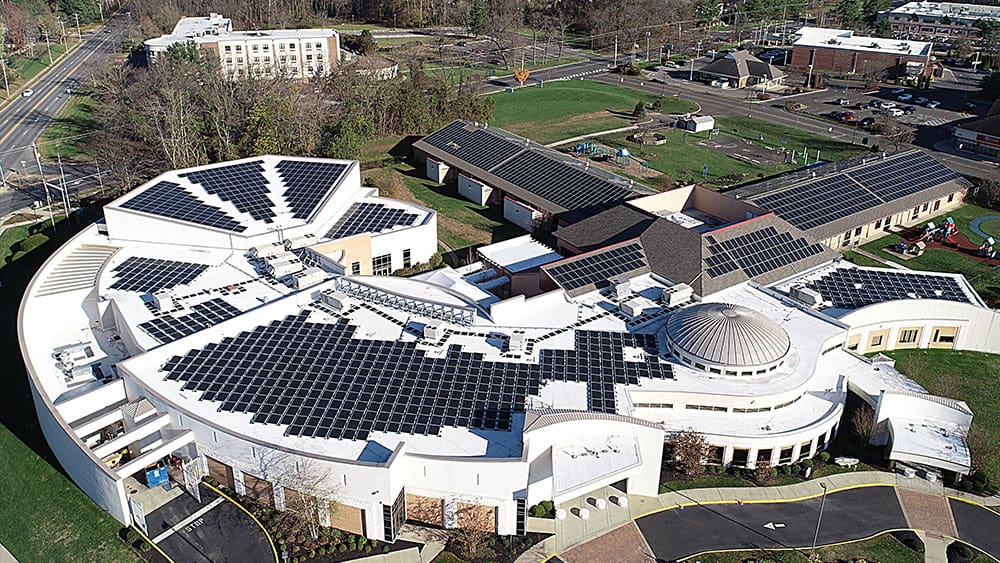
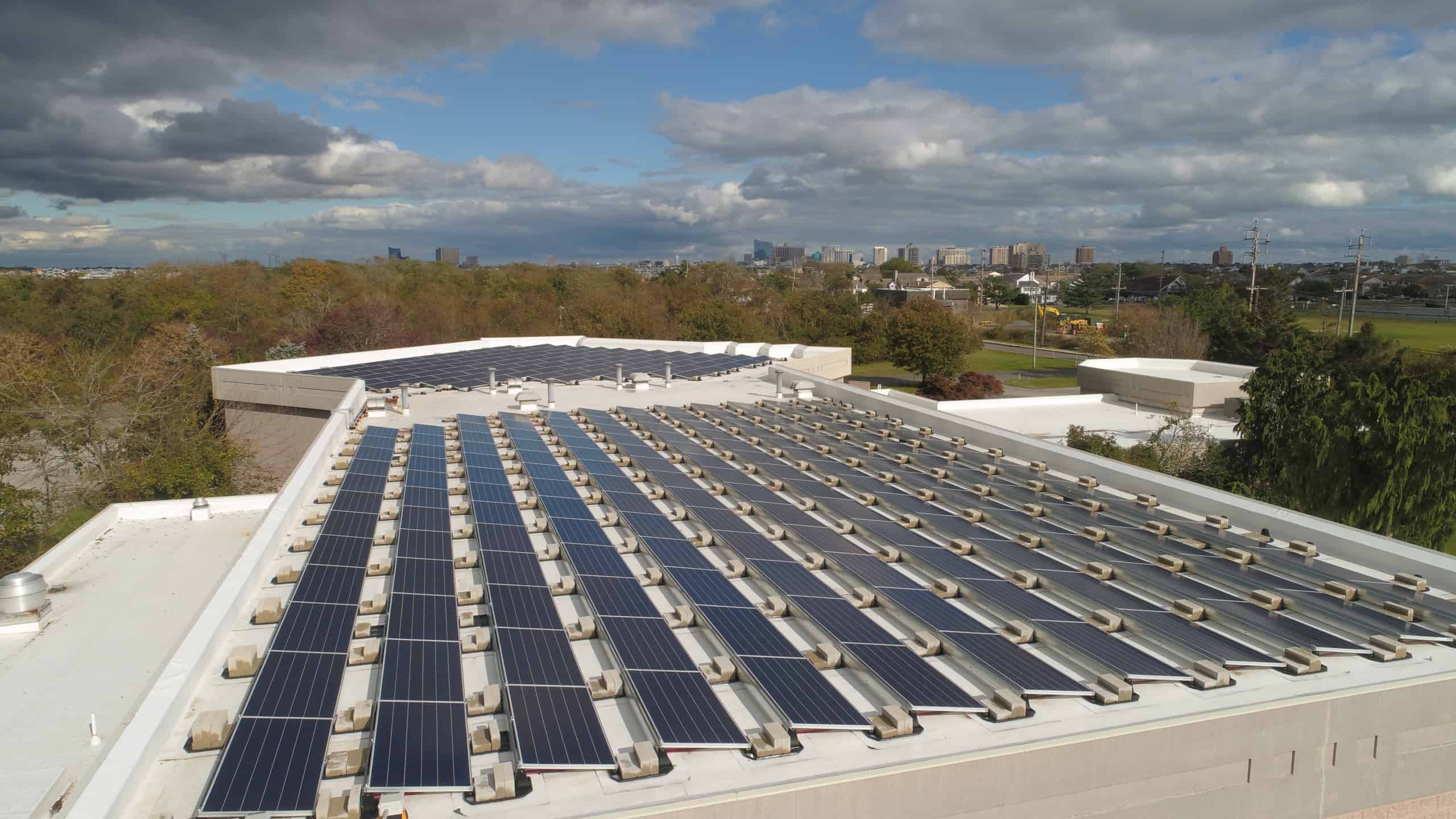
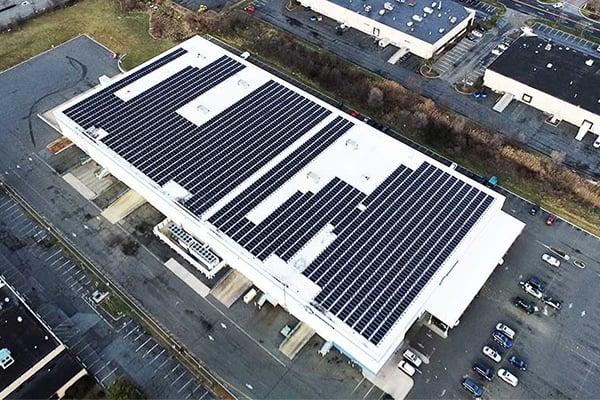
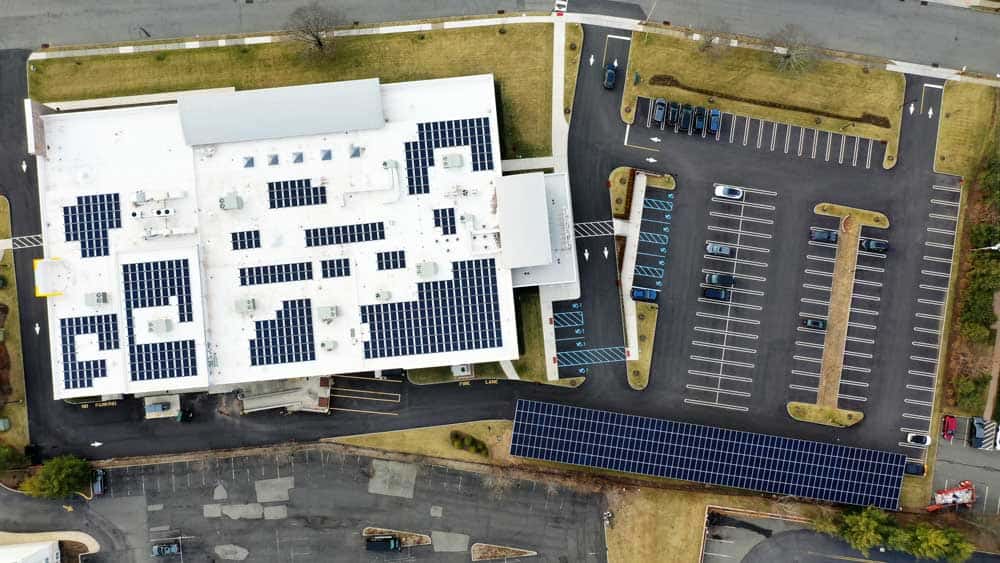
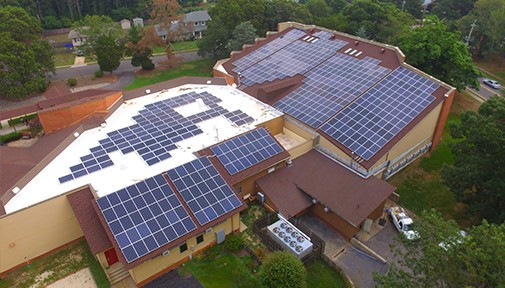
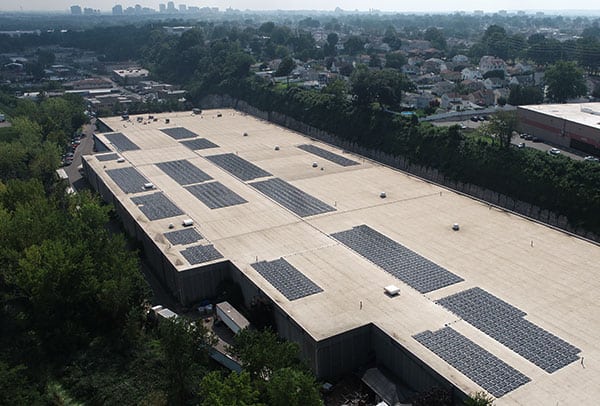
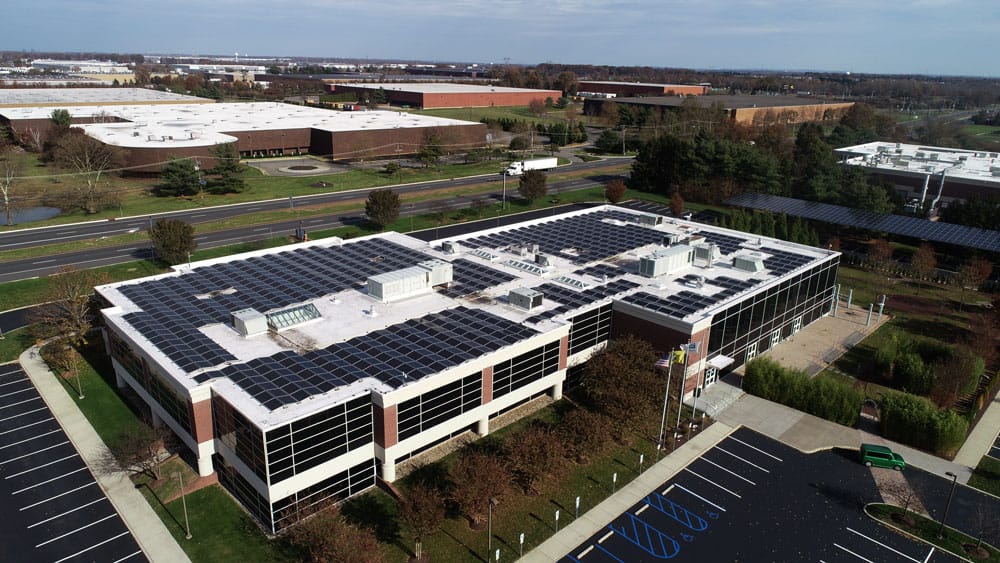
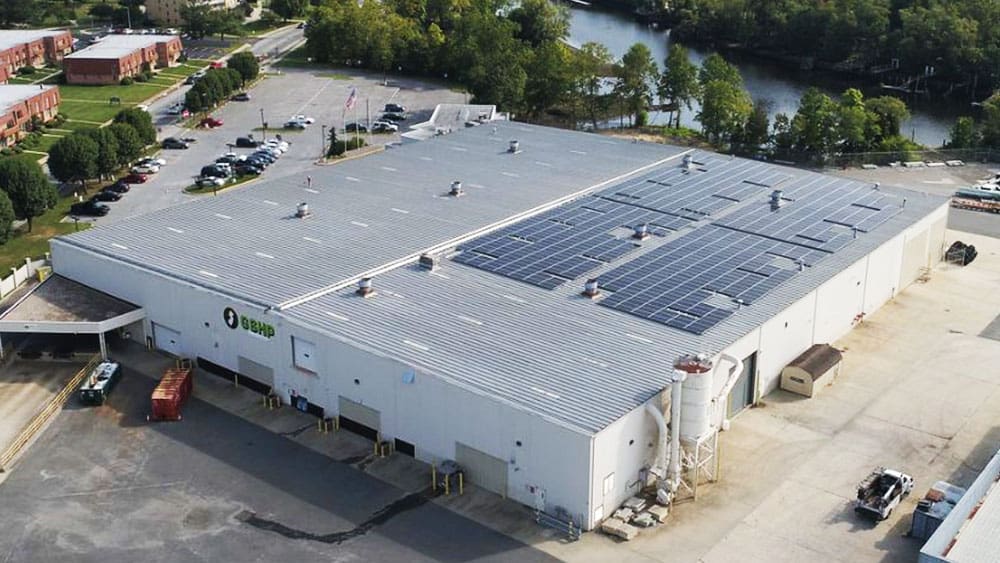
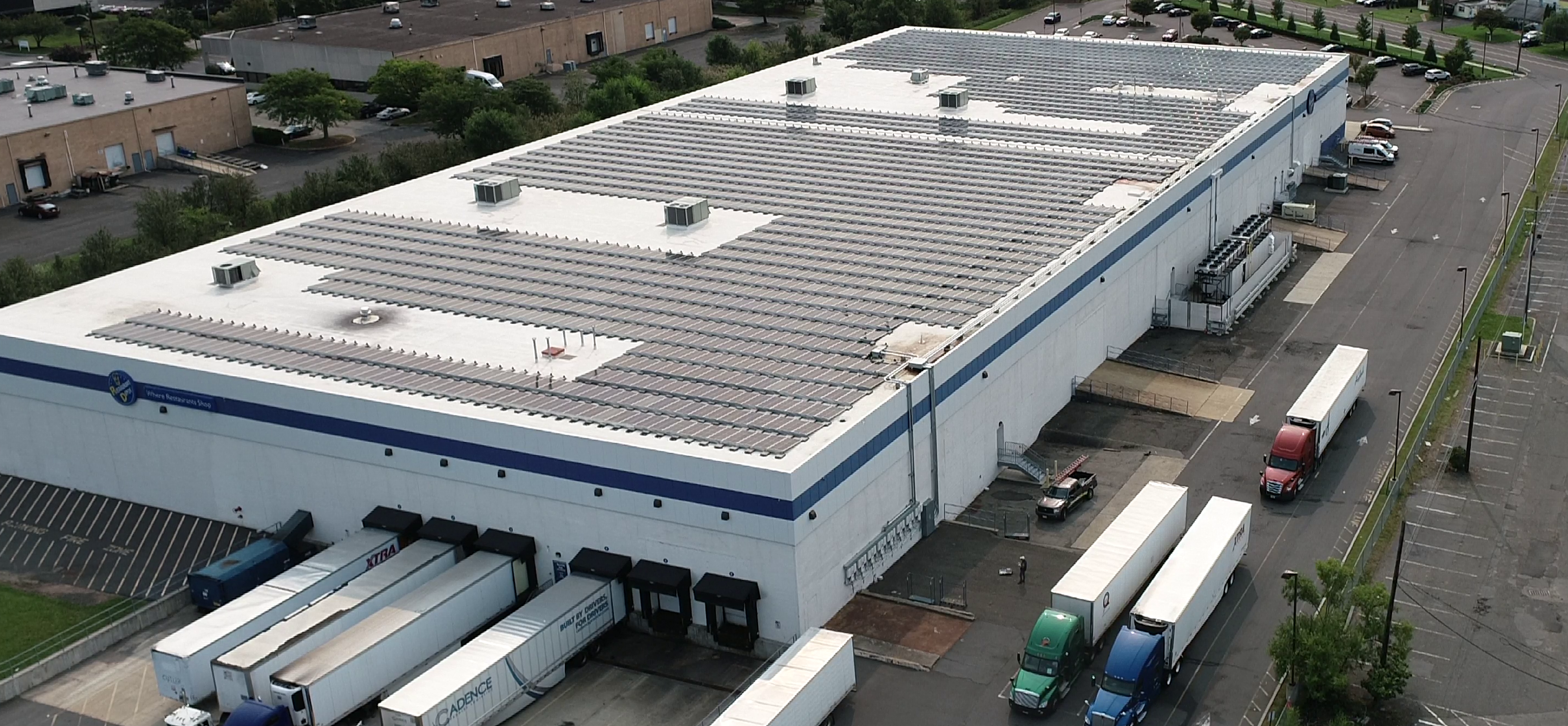
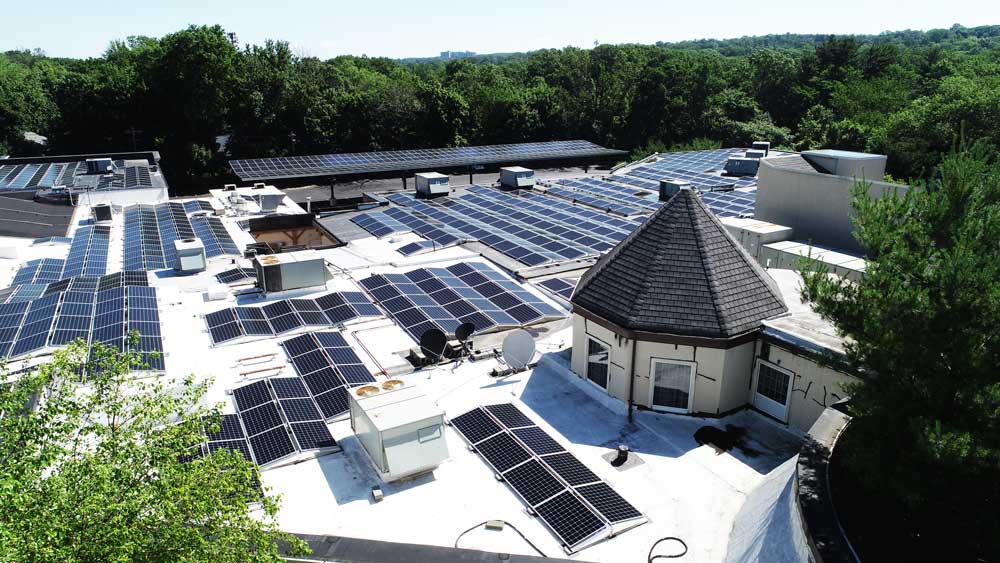
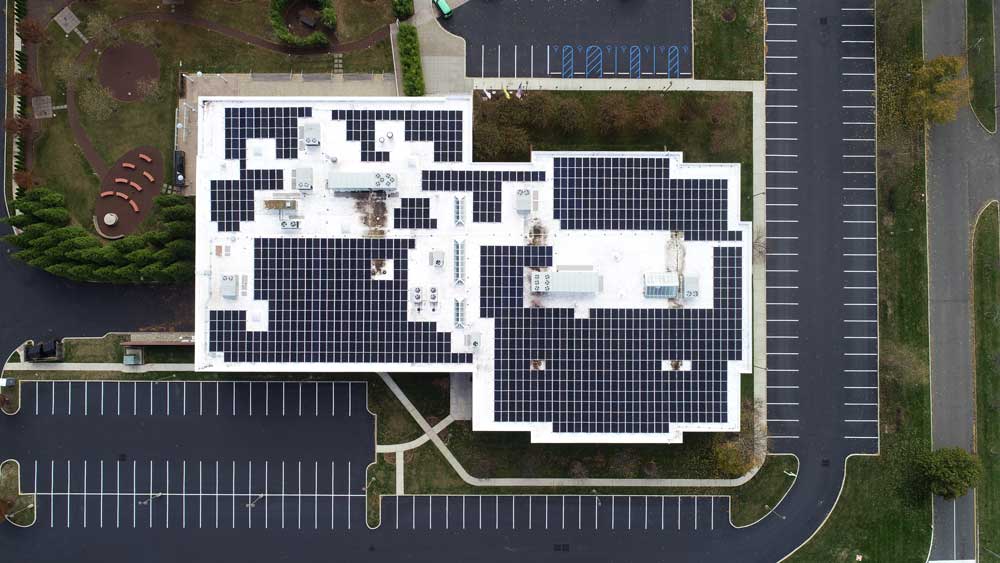
B. The Solar Array - is a group of solar modules connected together. Arrays can be mounted on pitched and flat rooftops, as well as on the ground. Most arrays are fixed, meaning they don’t move. With trackers, however, arrays can be installed to follow the path of the sun and maximize the amount of direct sunlight hitting the solar array.

C. Inverter - converts DC energy created by the panels to energy usable within your non-profit (AC).

D. SREC Meter - tracks total wattage production. Each 1,000 kWh generates an SREC credit which can be sold to generate additional revenue from your system.

E. Electric Panel - supplies power to your non-profit.

F. Net Meter - the meter connected to the electrical grid. If you are producing more solar electricity than you are using, the electricity flows out of your net meter and actually spins it backwards!