Will solar work on my non-profit building?

What kind of roof works with solar?

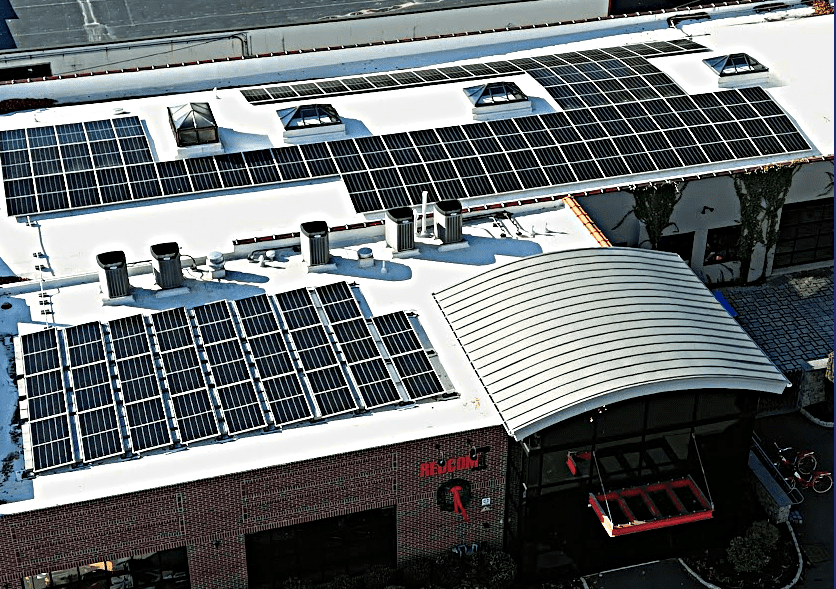
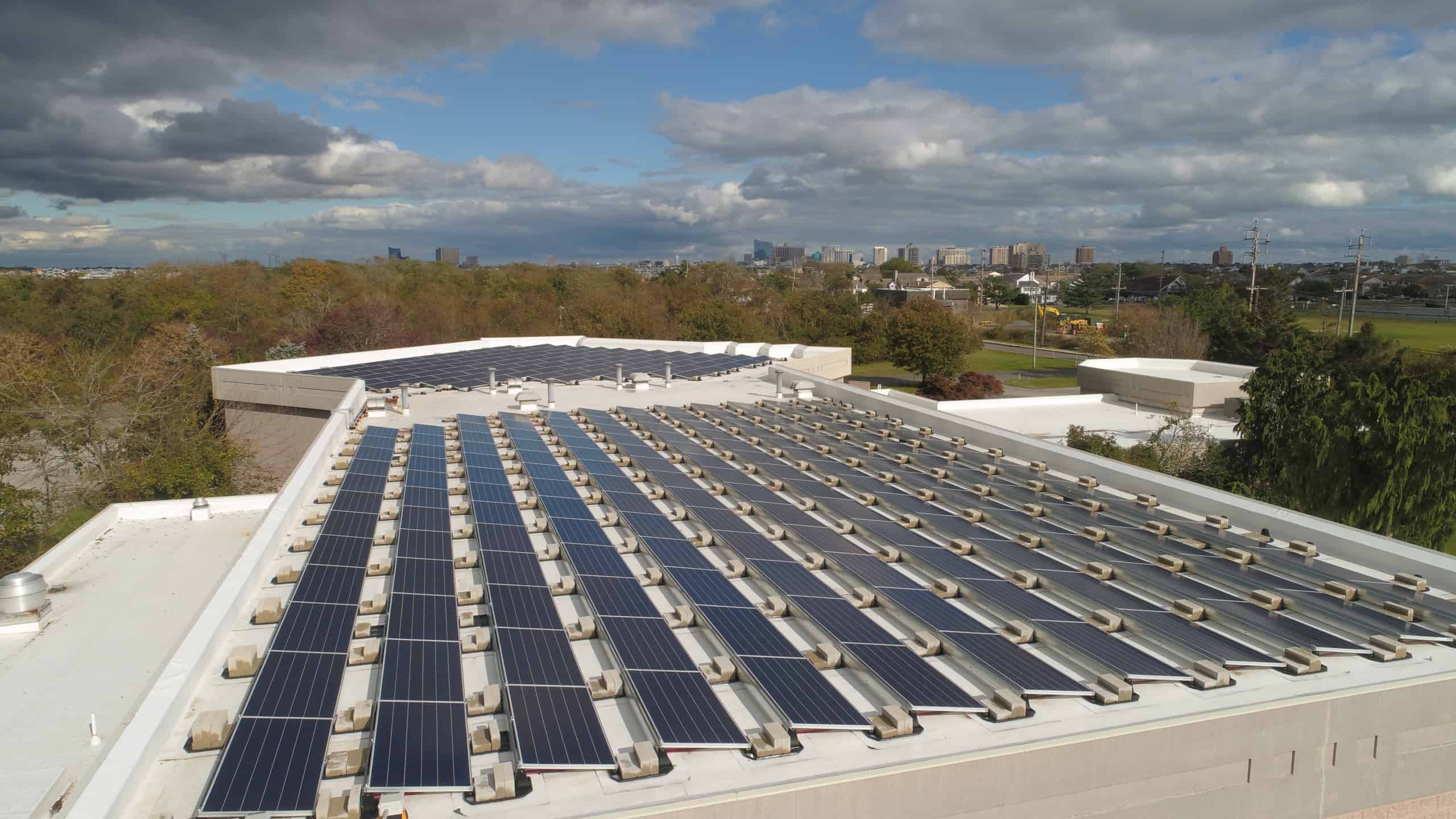
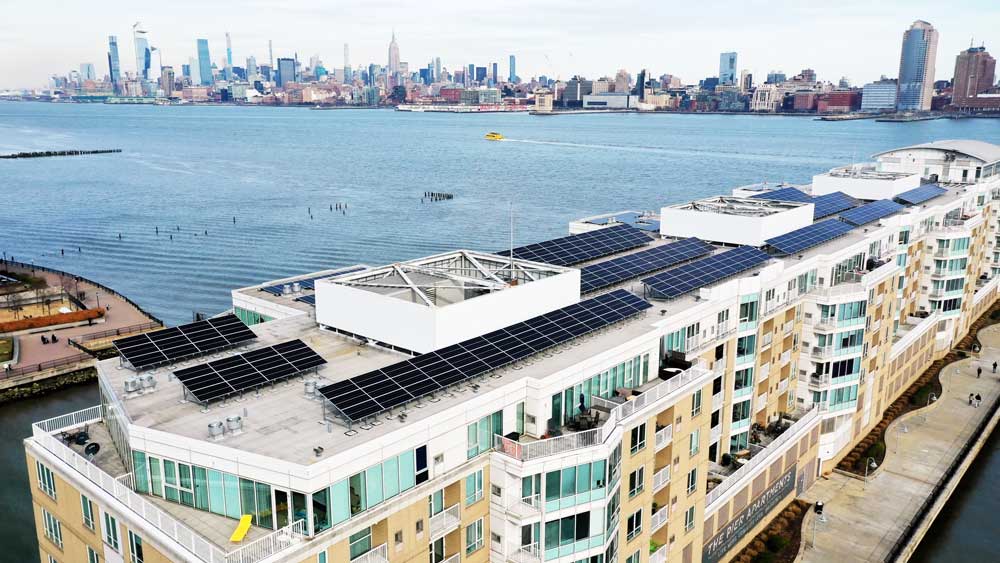
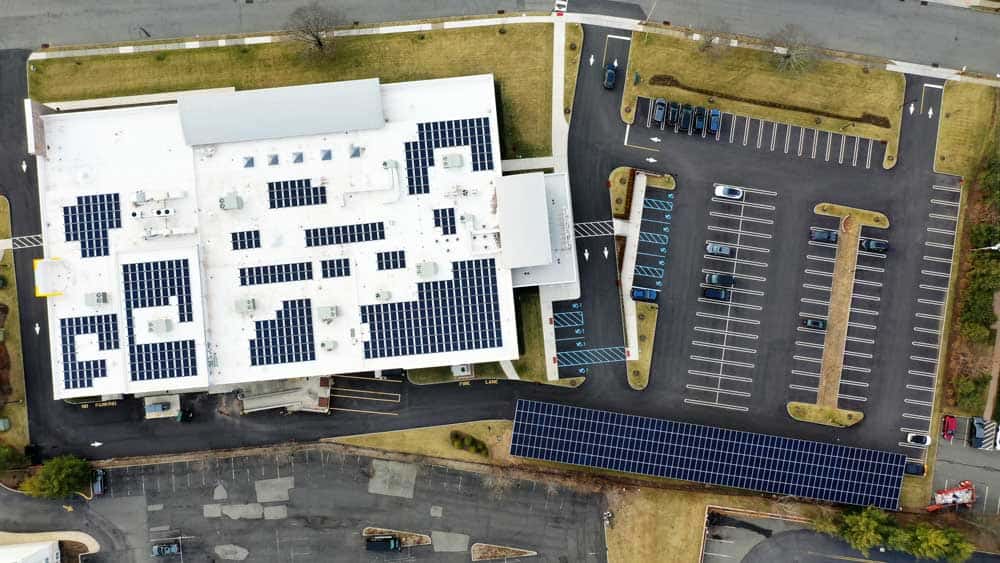
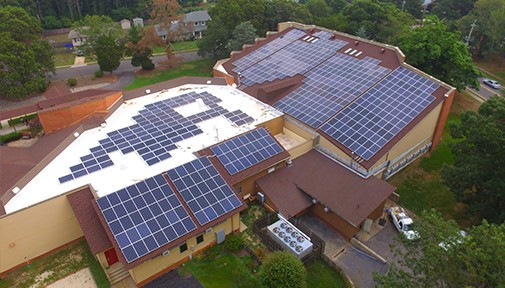
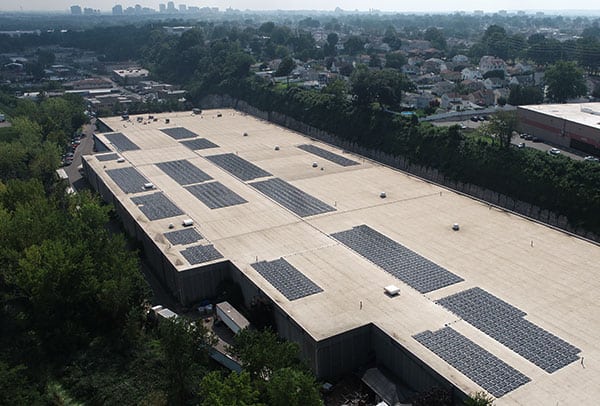
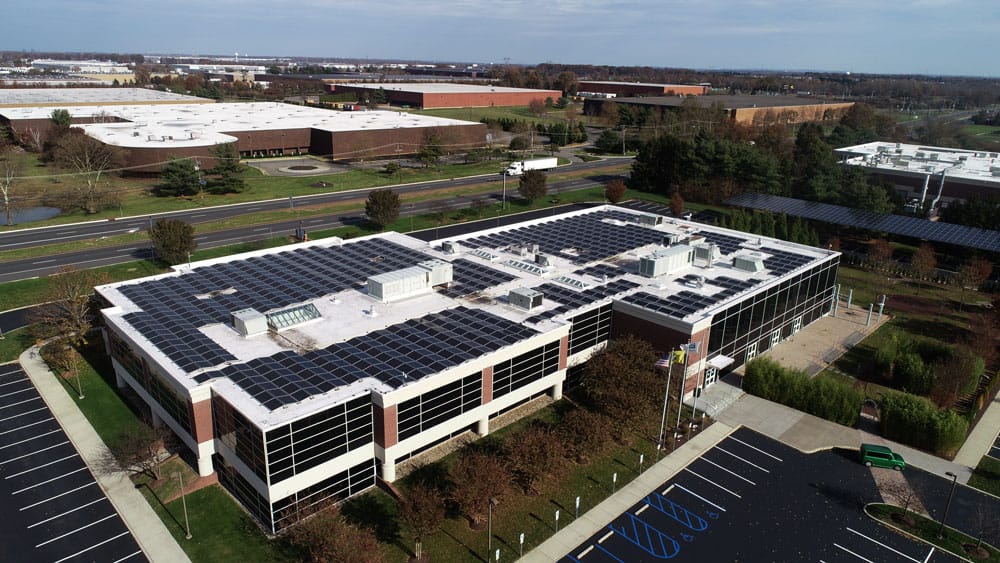
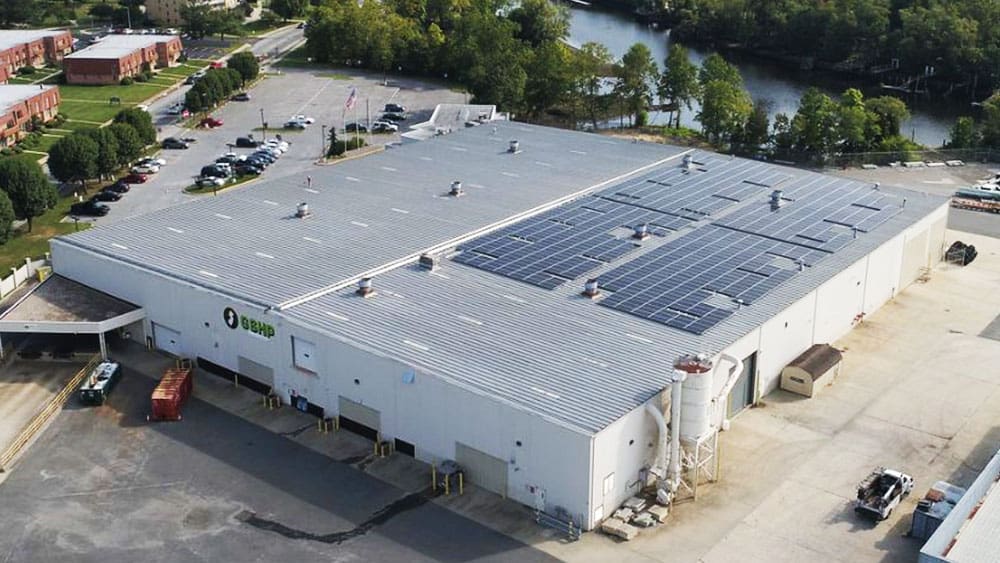
You can put a solar system on almost all roof types including EPDM, TPO, standing seam, and metal roofs.   It may be more expensive to install a system on some roof types than on others.

How much roof space is required for a solar PV system?

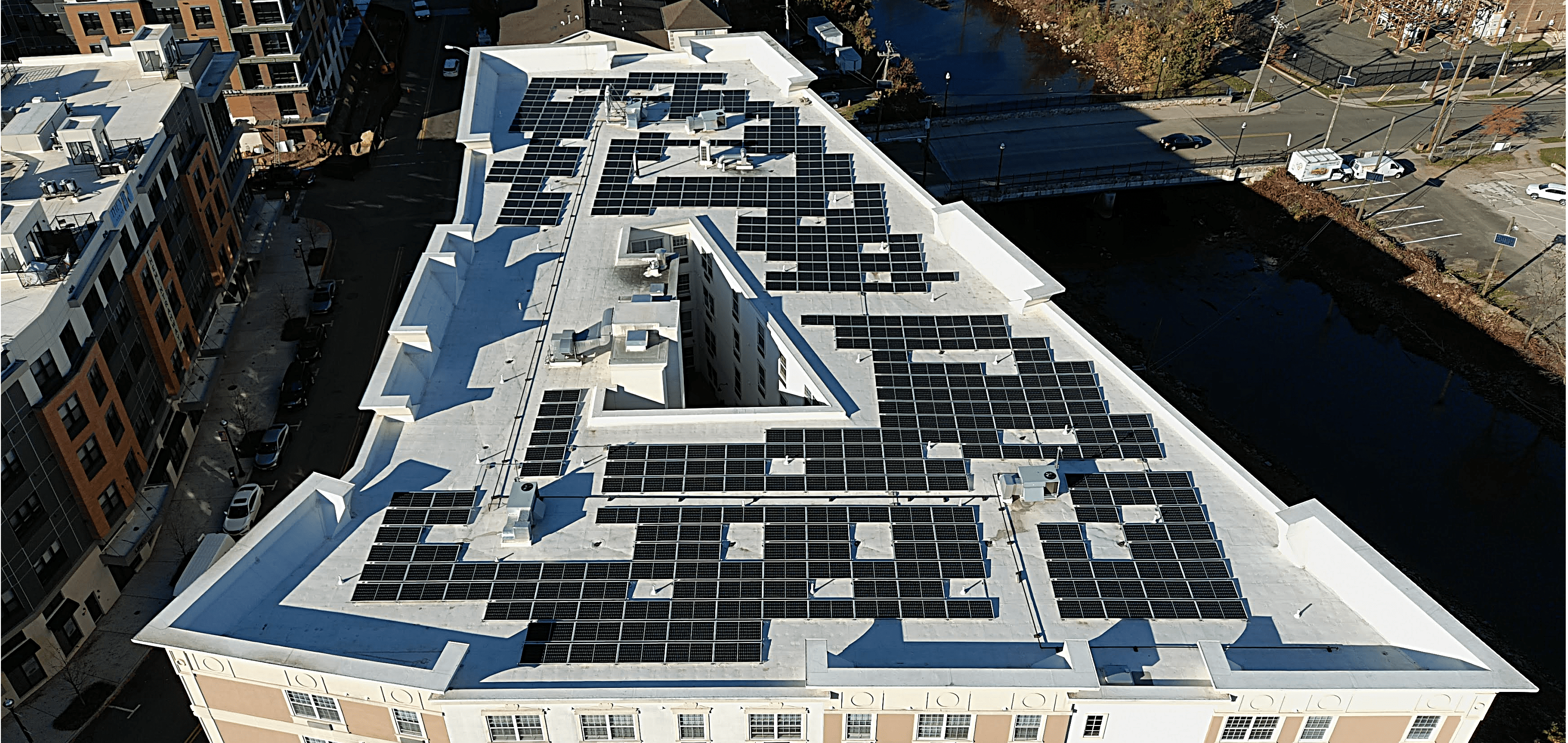
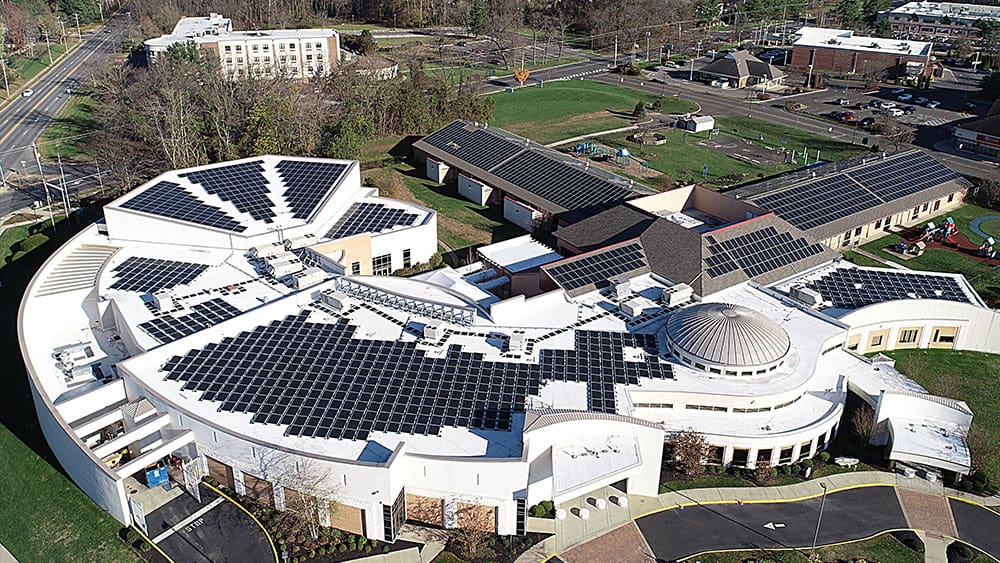
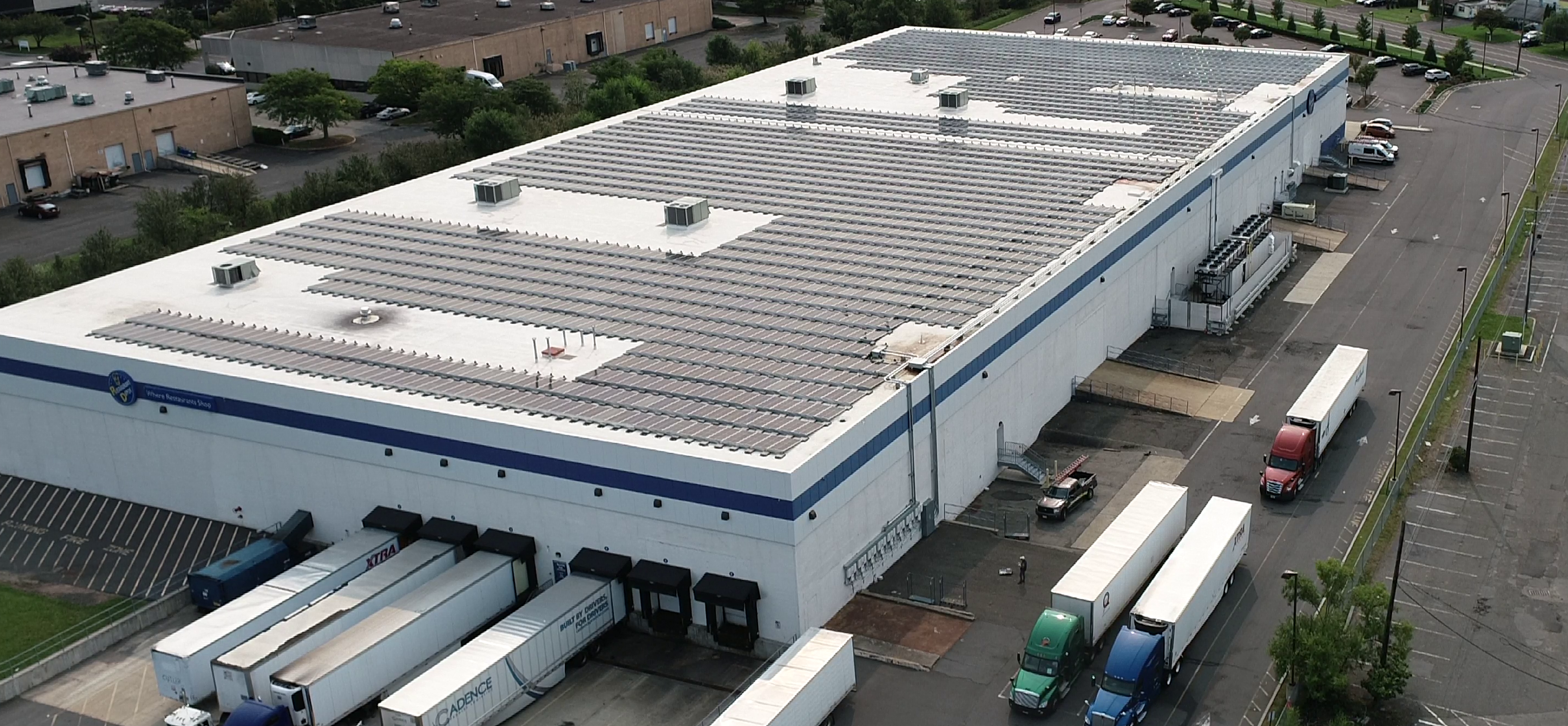
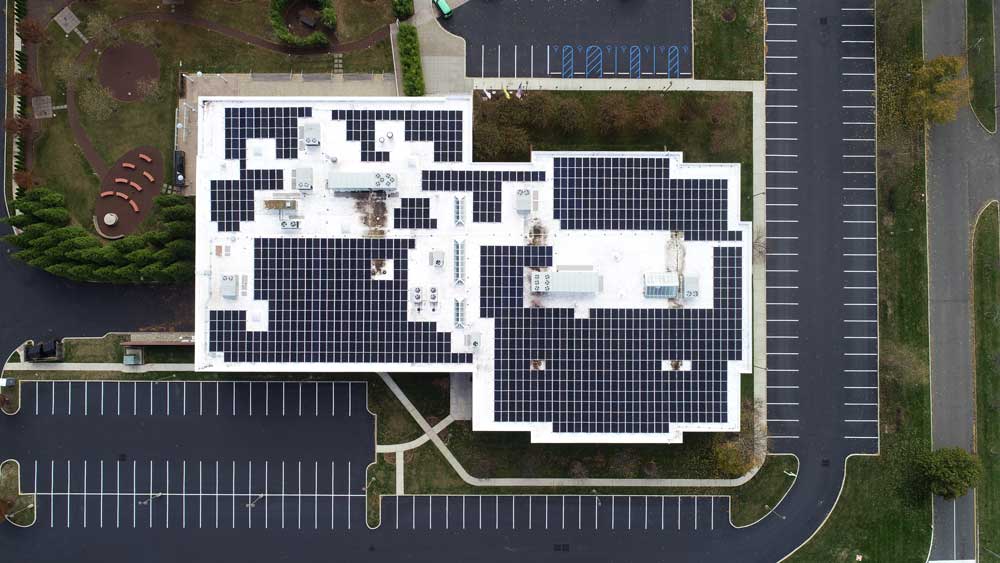
Geoscape Solar will inspect your building’s roof to determine the maximum number of panels that will fit in your space. We will first look at your usable, unobstructed roof area.  If you have more than 2,000 square feet, solar can make sense for your building.

If I have shading on my roof, can I still get a solar system?

­Shading is a critical factor in determining the effectiveness of a solar system.  When solar panels are obstructed by tree shade, they cannot produce optimum energy.  If your building has light shading, a solar system may still make sense.  Heavier shaded properties will require cutting trees down.  A Geoscape Solar advisor can review your non-profit and determine quickly if solar can work for your non-profit.

How do I know if I have enough sunlight for solar PV?

Solar energy systems need unobstructed access to the sun's rays for most or all of the day. Climate is not really a concern because solar PV systems are relatively unaffected by severe weather. In fact, some solar modules actually work better in colder weather. There is enough sunlight to make solar energy systems useful and effective almost anywhere in the world. We can give you a quick assessment by looking at satellite photos of your property.

How much weight will the solar electric system put on my roof?

Solar electric systems usually add less than four pounds per square foot.

Does the solar system have to go on my roof?

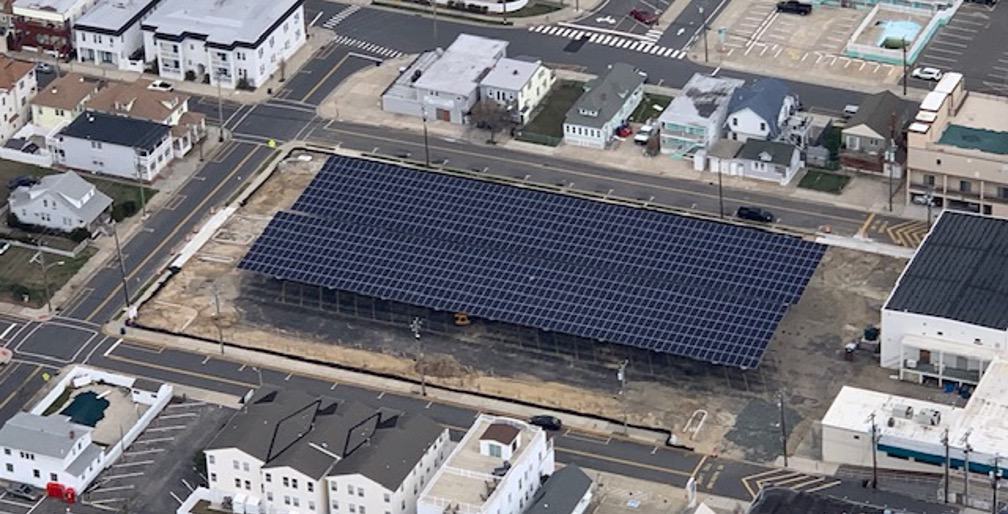
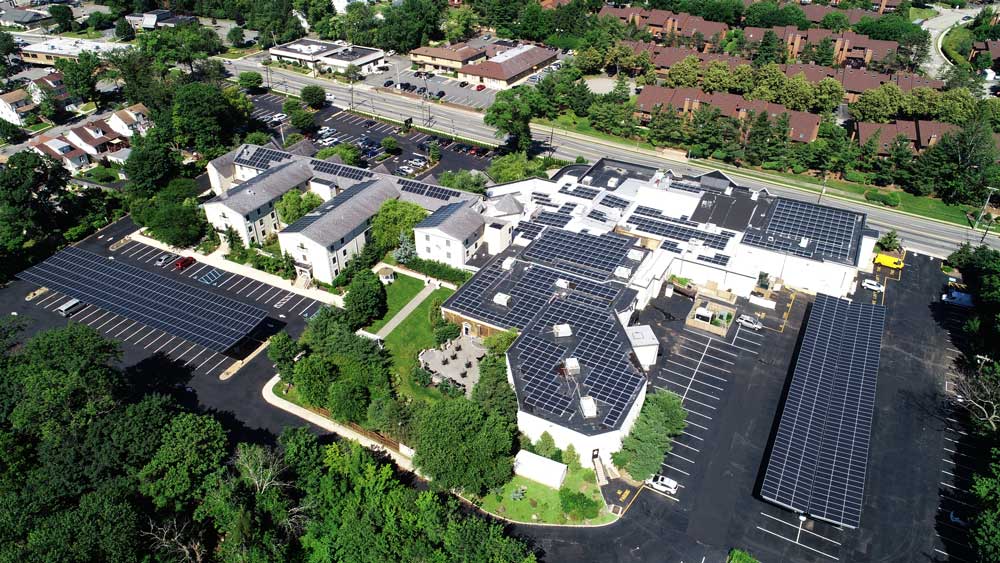
No. While roofs are usually good locations because they are high enough to be above any shading from trees, and many times they are facing south, there are many different mounting options for these systems. Ground mounts and parking decks are a few other installation options.

What size solar system do I need?

Every property is different, so the size of your system will depend on your energy needs, roof space and solar goals. Geoscape Solar will custom design a system to meet your specific needs and offset as much of your utility bill as is needed and physically feasible.

Is it difficult to switch over to solar power?

No. Geoscape Solar’s Sun for All™ makes it easy for non-profits to switch to solar. Solar Done Right™ means that we take care of everything from Solar Easy Installation™, to Solar Choice Financing™, and we are with you for the life of your solar system with Solar Easy Care™.  Geoscape Solar is committed to providing our customers with an unparalleled solar experience.

What kinds of permits are needed to meet local building codes?

As part of our Solar Easy Installation™, Geoscape Solar will obtain all building permits and design your system to meet your local building codes. We’ll arrange the electrical, building and utility inspections to ensure that everything is up to code. Geoscape Solar takes care of your project every step of the way.

Can my non-profit afford solar?

Isn’t solar still really expensive?

NO! Solar is actually far more economical over the long term than buying your power from the utility. While a non-profit institution cannot directly take advantage of the federal tax grant, Geoscape Solar can structure a program that lets you reap the benefits.  The cost of solar panels continues to decline and Geoscape Solar passes these saving directly to our customers.  As well, no one has more options to finance solar than Geoscape Solar.  Let us show you how to make solar affordable.

What kind of financing is available?

Geoscape Solar Choice Financing™ gives you the most options to get solar for your non-profit.  Our innovative solutions include Geoscape pre-paid leases and PPAs.  No one has more ways to bring solar to your non-profit.

What are SRECs and how do they increase my solar investment?

You earn one SREC, or Solar Renewable Energy Credit, for each 1000 kWh your system generates.  These SRECs are traded on a market ensuring the highest price possible.  SRECs are in addition to your energy savings.  You will generate SRECs for 15 years after installing your solar system.  This is income that your solar system will produce year-after-year.  SREC Easy Trade™ service for trading your SRECs is included at no additional cost as part of Geoscape Solar Easy Care™.

Why is New Jersey a great state to get solar?

New Jersey is the fastest growing market for solar in the country, and second only to California for installations. When you combine the generous federal incentives with the NJ SREC program, no one has a better combination of financial benefits than New Jersey.

Is now a good time to buy a solar system?

Now is the perfect time to buy a solar system. The combination of incentives in NJ is like no other in the country, so now is a great time to let Geoscape Solar’s Sun for All™ program bring solar savings to your institution.

Should our institution buy a solar system or sign up for a PPA?

Every non-profit institution has its own unique financial needs.  For some groups, they lack a capital base to make a solar purchase, so a PPA makes the best sense and they can begin saving on their electricity.  However, some churches, synagogues, or mosques may have endowments or fund raising capabilities.  In those cases, a system purchase may be a way to increase returns for the institution.  Regardless, Geoscape Solar has financial experts with knowledge in how to best structure a non-profit solar project to benefit your organization.

What are the benefits of solar?

Will I ever have to pay another electric rate increase if I buy a solar system?

It depends.  If you use a Power Purchase Agreement to finance your solar project, most arrangements include an escalator in the rates that you will be paying.  On the other hand, if you purchase your solar system, you own the system and all of the energy it produces.  So, you will never see a rate increase on the portion of your usage that your institution’s solar system covers.

What is net metering and how does it help solar reduce my electric bill?

Geoscape Solar’s grid-tied solar electric system for your non-profit still has a “line-coming-in” from the utility, just like before, only now you also have a “line-out” to send your extra electricity back to the utility grid. The net metering law in New Jersey requires the local utility company to credit you for the amount of solar electricity your system produces and feeds into the grid.

The utility meter measures the difference between the electricity you buy from the utility and the electricity you generate with your solar electric system. When you are making more electricity than you are using, like typical summer days, your extra electricity automatically gets metered back out (sold) to the utility grid and your meter literally goes backwards. You receive credit for this power at the same rate they sell it to you. Net metering allows you to use the electric utility grid like a bank account. You can put electricity into it that you don’t use immediately and you can withdraw the same amount later on at no net cost to you.

How does solar help the environment?

Our planet has a limited supply of fossil fuels, like petroleum, coal, and natural gas, and this supply will someday run out if we continue to use these traditional energy sources like we are today. In addition to being non-renewable, fossil fuels emit harmful greenhouse gases into the environment.  Solar energy is a renewable energy source that is safe for the environment.

Why should I use solar PV-generated electricity?

Many non-profit institutions want to demonstrate their commitment to the environment and clean energy. Solar is the clear choice. Solar PV provides sustainable energy, operates silently, produces no toxic emissions or greenhouse gases, and causes no hazardous waste. Solar systems generate electricity using the sun's free energy, so the ongoing costs are minimal.

What do I need to know about solar?

What maintenance is required?

Your solar energy system requires very little maintenance, largely because it has no moving parts. All your system requires is minimal shade, occasional cleaning and inspection. We suggest that you keep an eye on trees that may shade your system and keep them trimmed.   Annual maintenance and cleaning are included as part of Geoscape Solar Easy Care™.

How long will it take to get my new solar system up and running?

The length of time depends on the complexity of your roof and the number of panels that will be installed. The estimated installation time will be included in the design proposal presented to you by Geoscape Solar.

What happens at night, or when the weather turns cloudy?

Since the amount of power your solar system generates is a direct result of sunlight, it will produce slightly less energy when the weather is cloudy. Your system will not produce any energy at night. Your Geoscape Solar power system will be interconnected to your local utility grid, so that you can automatically begin to draw power from the grid whenever you need it. You won’t experience any power interruptions—the switch between solar system power and the utility grid happens seamlessly, with no effort on your part.

What happens when it snows?

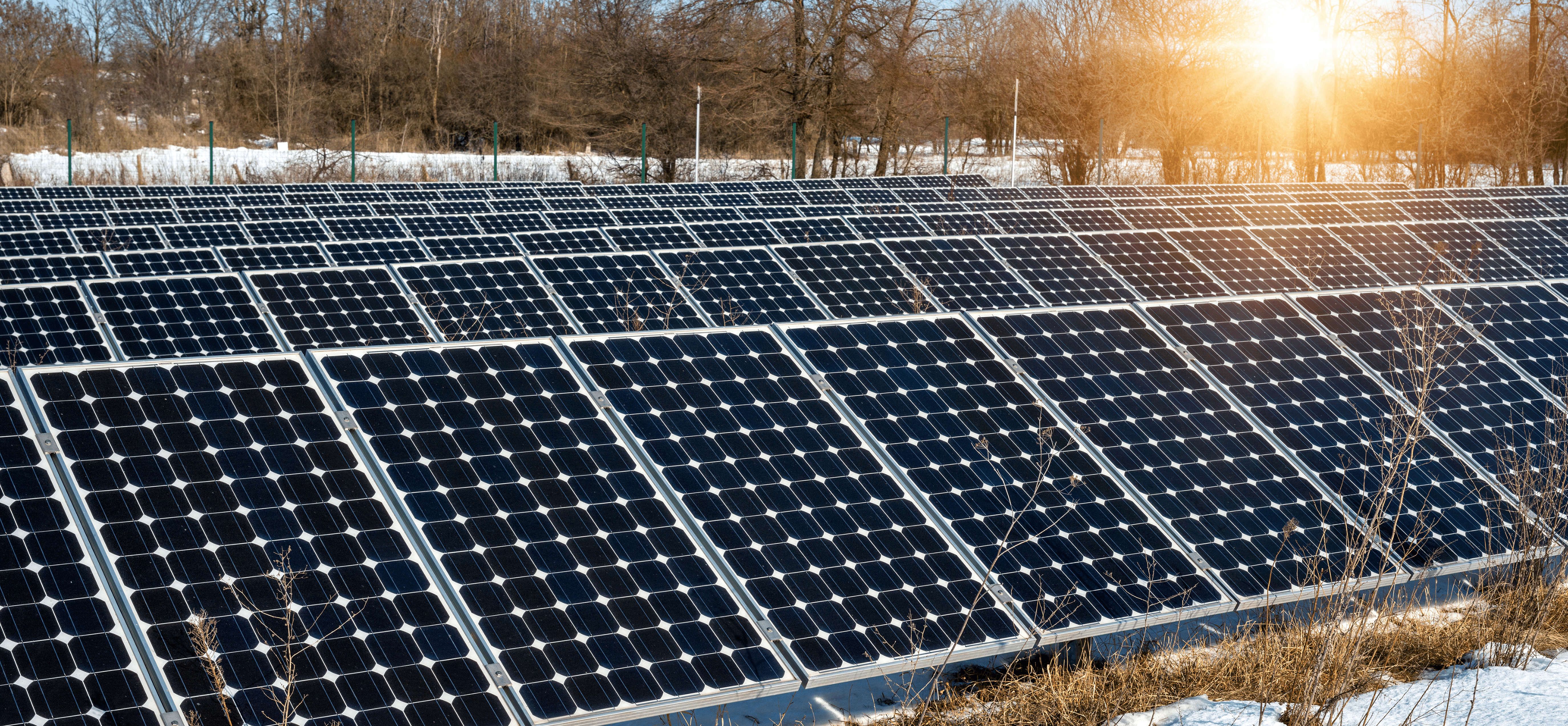
Right after a snow storm, when your panels are covered, they won't produce power. But because solar panels are installed where there's the most sun, that's where the snow will melt first. Plus, snow easily slides off of panels and the reflection off the white snow can even increase how much power your system makes.

What happens to solar panels in hail?

Most solar panels are guaranteed to withstand 3/4 inch hail balls at 120 miles per hour.

What happens if lightning strikes a solar panel?

Almost all solar panels are designed to withstand lightning.

What if my roof needs repairs after I've installed solar panels?

Ideally, you should install solar panels on a roof that is in good condition. When a Geoscape Solar site engineer comes out to inspect your building prior to installation, he or she will check to make sure that your roof is suitable for a solar installation. Once the solar panels are installed, they actually help to protect your roof from the elements. If you should ever need to make repairs on the roof, the solar panels will need to be removed and re-installed. Geoscape Solar offers this service for a reasonable fee.

Should I wait for new technology?

No, now is really the best time to invest in a solar system with the combination of technology and incentives. The underlying benefit of turning sunlight into electricity will not change for as long as we still use electricity to power our institutions! Geoscape Solar offers multiple solar panel solutions to our customers.  We continue to evaluate new technology and will offer it to our customers once it becomes a reliable and cost effective option.

How reliable is solar power?

Today, solar systems for your non-profit are very reliable. These systems have proven to be dependable sources of energy for large office buildings, mass retailers and governmental agencies, supplying megawatts of energy. Some of the largest companies in the world have buildings powered by solar energy, including eBay, FedEx, Wal-Mart, Whole Foods, and the US Air Force. Geoscape Solar has incredibly high quality standards and all of our panels are guaranteed for at least 25 years.

Do I need a battery backup for my solar system?

Battery systems are expensive and are not recommended. All Geoscape Solar PV systems are connected to the utility grid so you always have access to a power source. You never have to worry about “running out” of power.