Solar Glossary
· Alternating Current (AC) Power
AC is the form in which electricity is delivered to institutions. It can be thought of as "standard" electrical power. Your Solar panels produce direct current power that must be converted by an inverter to AC to be used in your non-profit.
· Azimuth
The direction that your solar array faces. The azimuth is used by Geoscape Solar to determine how much energy your system will produce. The closer your system is to true south, 180 degrees, the more energy production you will get from your solar system.
· Balance of System (BOS)
The additional components of a solar system excluding the solar panels. These elements often contribute more than half of the total cost of a system. The main parts of the BOS are the panel mounting and racking equipment, the electrical components including inverters and wiring, and the installation design and labor work.
· Ballasted
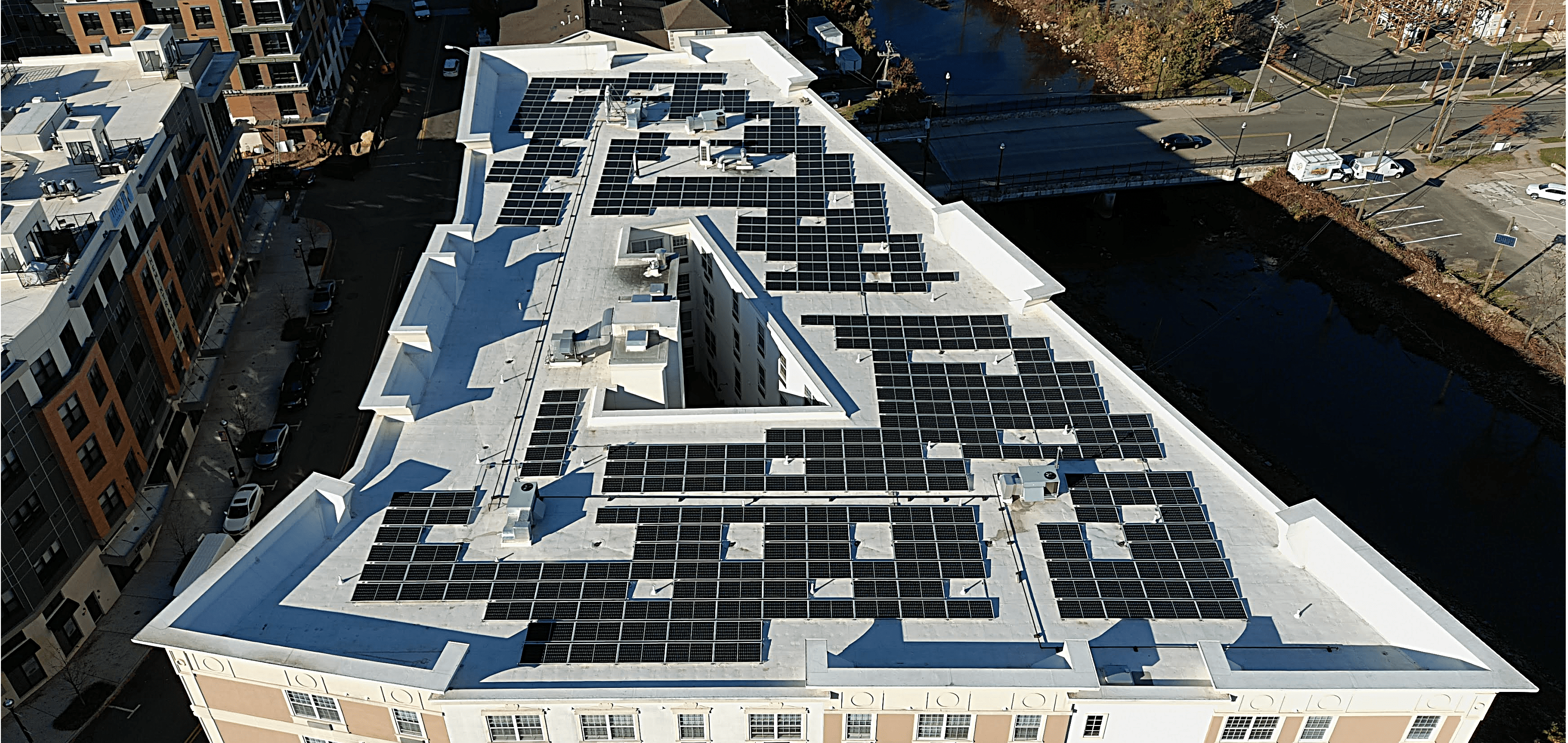
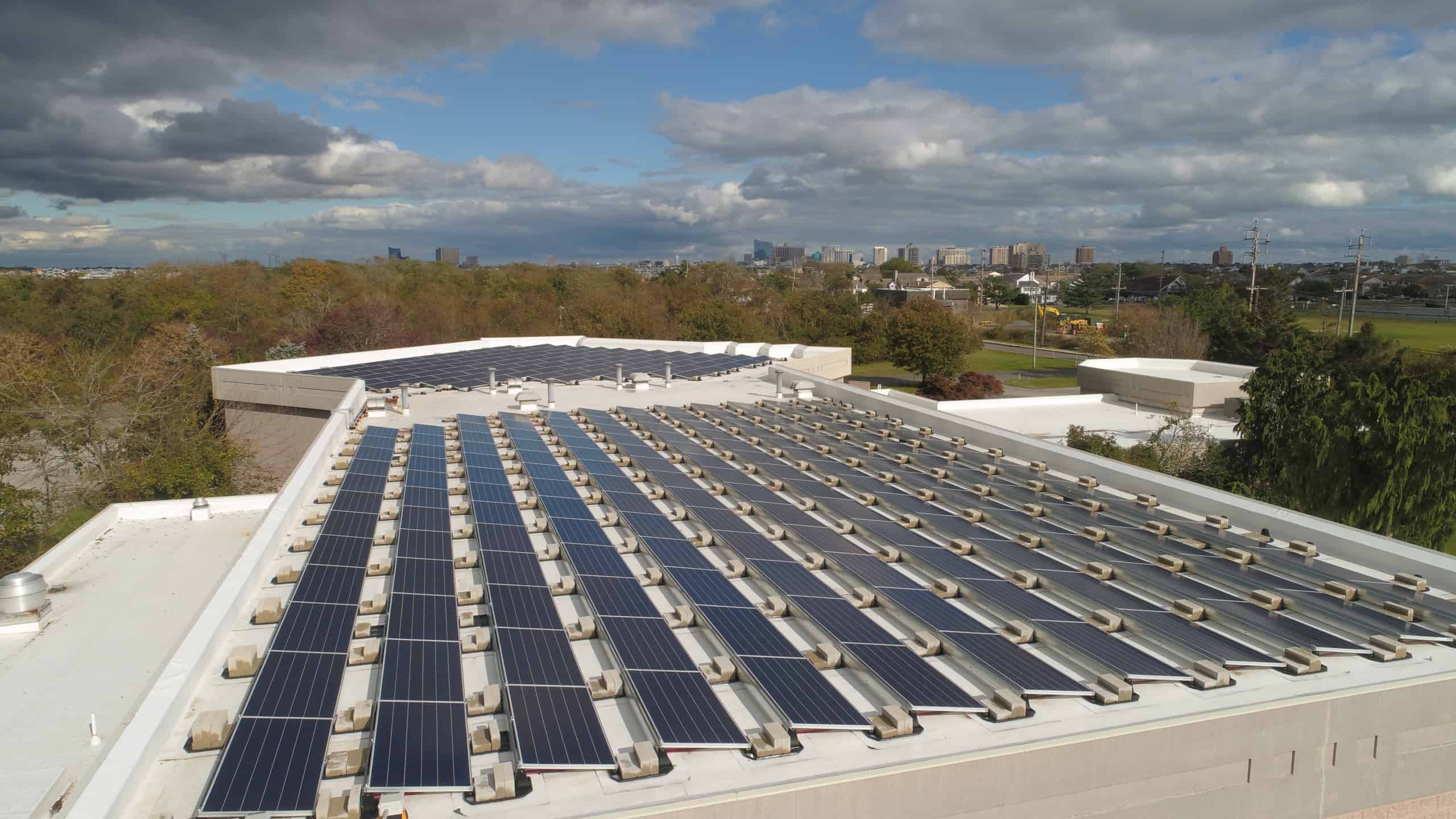
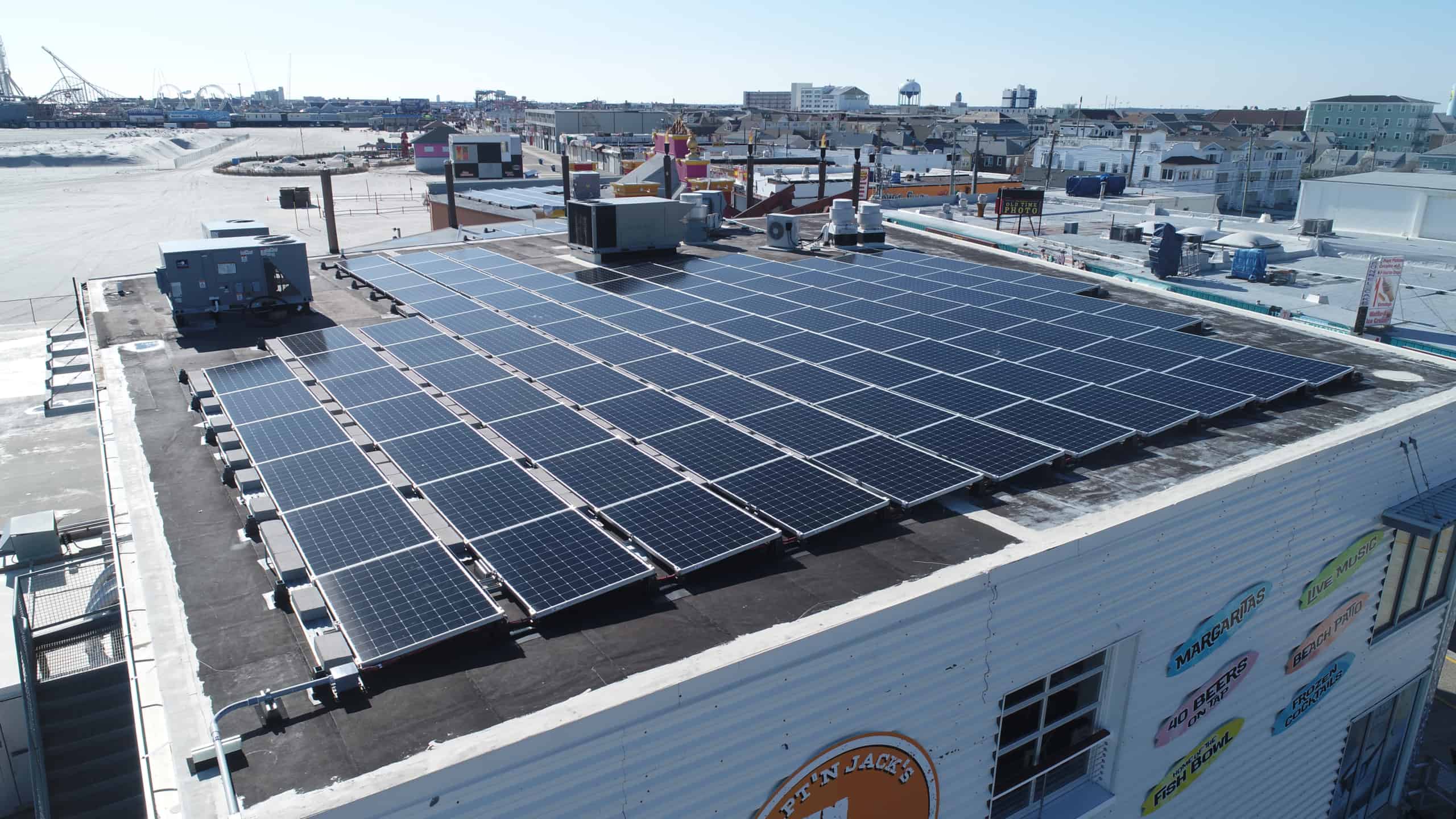
A type of racking system that can be used on flat roof mounted systems. Rather than drilling into the roof to fasten the racking system, ballasted systems simply use the weight of concrete blocks to hold the system down. This has the benefit of minimizing the risk of leaks as ballasted systems do not put holes in a building’s roof, although they do put more weight on the roof of a building.
· Carport Solar Systems
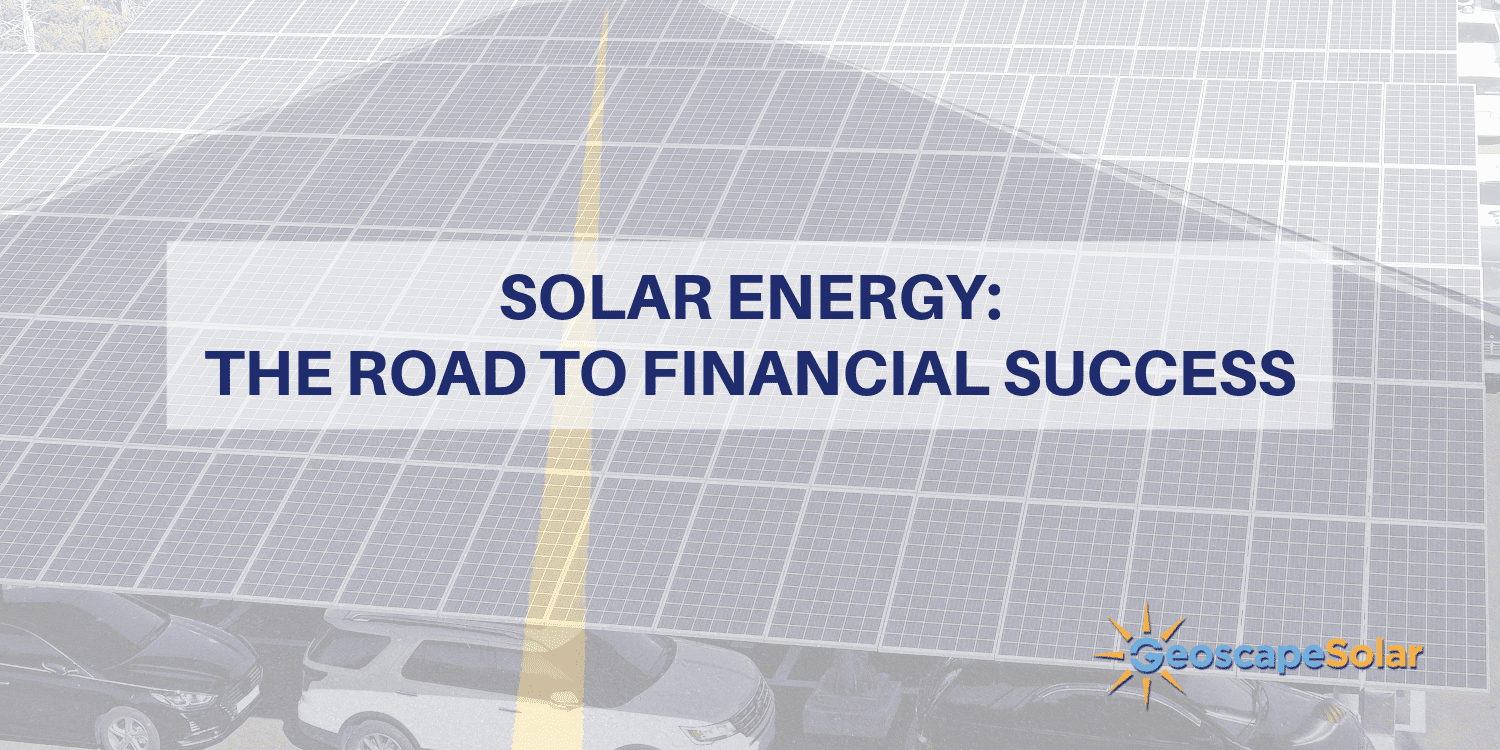
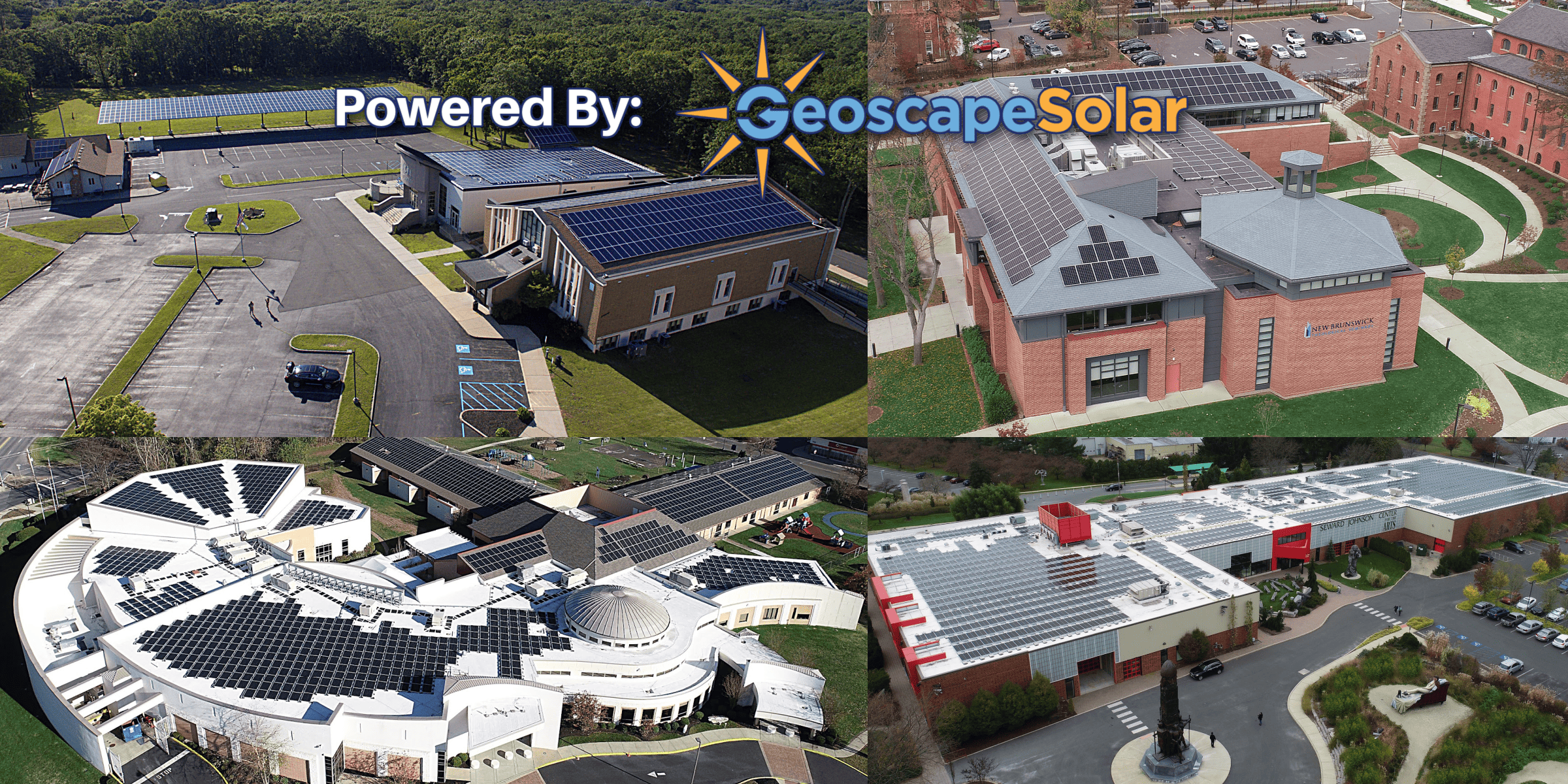
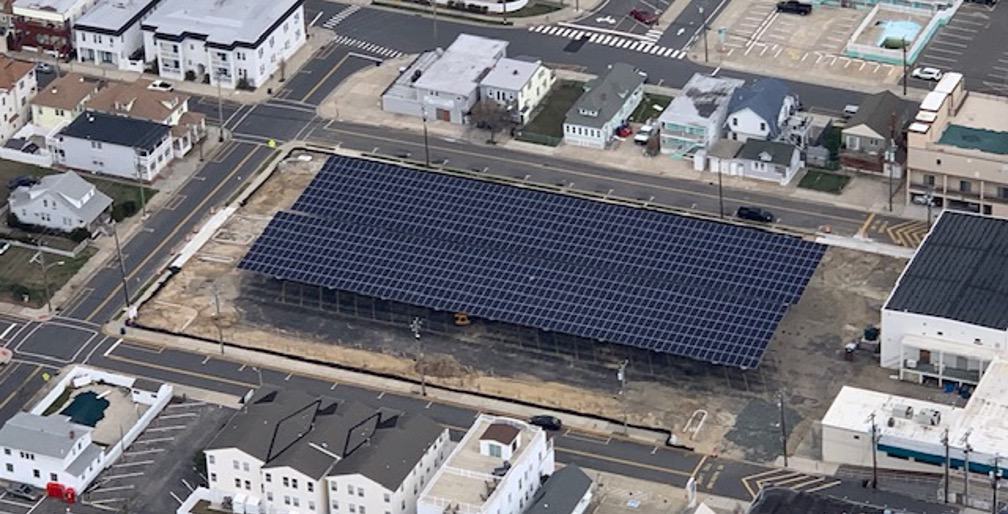
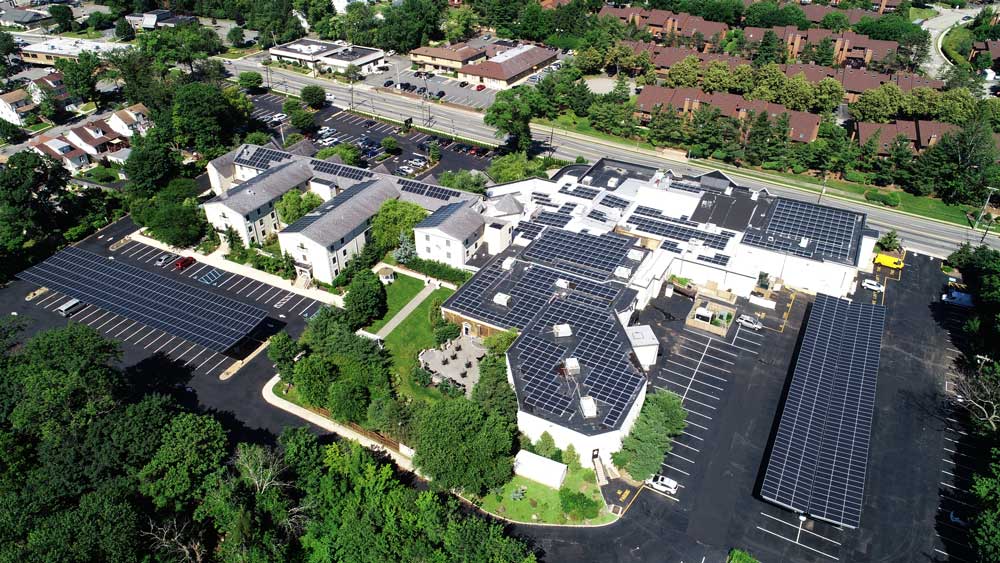
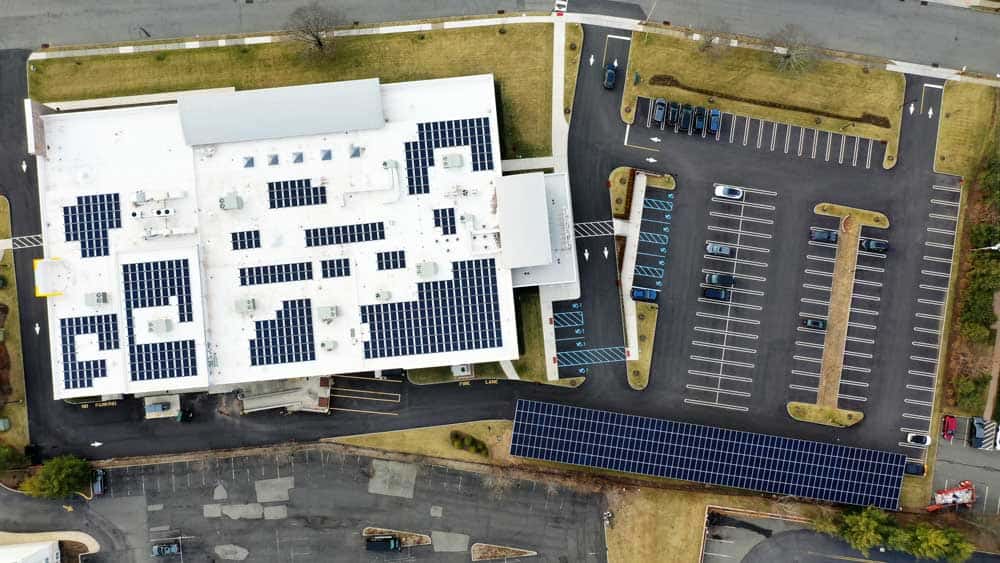
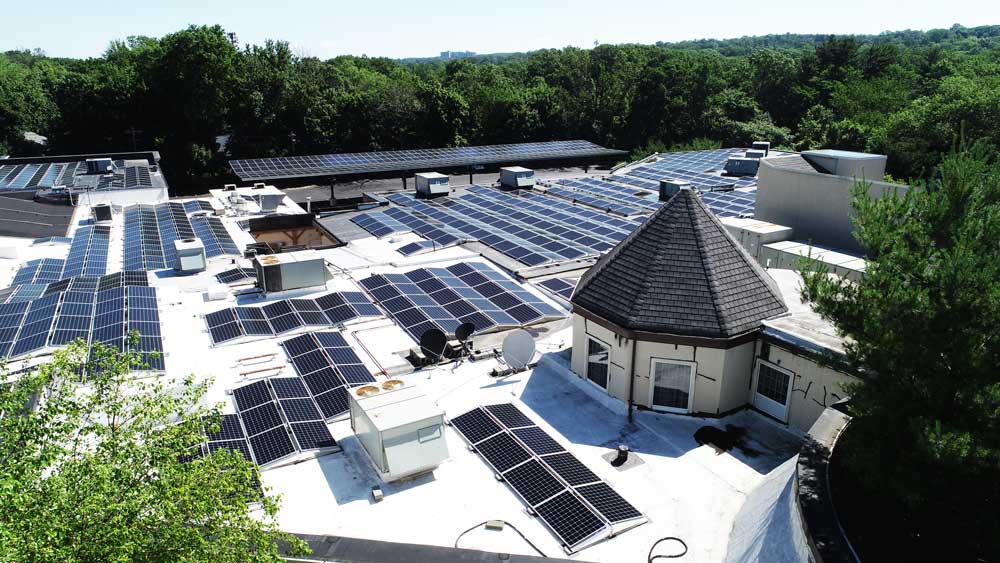
Solar systems mounted on the roof of a shelter for automobiles called a carport. Carport mounted systems are easily accessible and take advantage of existing real estate. They can greatly increase a solar system’s production compared to one that is only mounted on building roofs.
· Direct Current (DC) Power
The photovoltaic cells on solar panels capture energy from sunlight in the form of DC. In order to power your non-profit, this current must be converted to alternating current by an inverter.
· Electrical Current
The flow of charged electrons through a circuit. Depending upon its behavior, an electrical current can be alternating or direct.
· Electric Distribution Company (EDC)
EDCs deliver electricity from electricity suppliers to end users such as homeowners and businesses. These companies manage the electric wires seen on the sides of streets and are regulated monopolies. As such, there are only four EDCs in New Jersey (JCP&L, PSEG, Atlantic City Electric, and Rockland Electric) and customers must use the company present in their area for electricity delivery. Customers can choose to have the electricity supplied by the same distribution company, or they can opt to purchase from a different supplier which can save the customer up to 10% in electricity supply (generation) costs.
· Electric Panel
An electrical distribution board that houses electrical circuit breakers. It is the main point at which electricity is distributed throughout a building. It is otherwise known as a breaker box or electrical cabinet.
· Electric Suppliers
Electric suppliers provide electricity to electric distribution companies (EDCs), either by generating it themselves or buying it from another power generator. All New Jersey electric suppliers must be licensed by the state’s Board of Public Utilities and must meet the state-mandated Renewable Portfolio Standard (RPS). To meet the RPS, electric suppliers must utilize power from renewable sources. If they do not, they can purchase credits (called Solar Renewable Energy Certificates for credits from solar energy) or must pay a penalty.
· Energy Master Plan
The plan outlines the New Jersey state government’s vision for usage of all sources of energy over the course of the next decade. It plays an important role in shaping the economics of solar projects in the state as it sets the Renewable Portfolio Standards and Solar Alternative Compliance Payments.
· Fossil Fuel
Fuels that are derived from natural resources, usually in the form of coal, oil, or natural gas. They are not considered renewable resources and there is a limited supply of them. When they are combusted to produce electricity, they emit compounds that are both toxic and contribute greatly to global warming. They are only located in certain parts of the world, making them subject to political and international maneuvering, and causing energy prices to be unstable.
· Greenhouse Gases
Gaseous components in the atmosphere that contribute to a gradual warming of the planet. The most prevalent of these gases is carbon dioxide, which is released in large quantities when fossil fuels are burned. Nothing is burned to convert sunlight into power. Since solar energy does not have any gaseous by-products, it is considered "clean."
· Grid Connected System
A solar system connected in parallel with the electric utility grid. Geoscape Solar’s systems are grid-connected solar systems.
· Ground Mounted Systems
A solar system that is not attached directly to a building, but is supported by a structure that is built low to the ground. Ground mounts are ideal for sites with limited roof space and a lot of open land.
· Interconnection
The link between your utility company and your building that enables power to move seamlessly in either direction. Geoscape Solar will file all of the necessary paperwork with your utility as part of Solar Easy Installation™. After your final inspections, the utility will come out to your location and swap your current meter with a new net meter.
· Inverter
A device that converts direct current power captured by the photovoltaic cells on solar panels into alternating current power that can be used to power your non-profit. This device is an integral part of a solar system. Large solar systems may have more than one inverter.
· Investment Tax Credit (ITC)
The investment tax credit is a reduction in the overall tax liability for individuals or institutions that make investments in solar energy generation technology. Nations across the globe are competing to corner the market on solar energy technologies, and to capitalize on the job growth potential and economic gain associated with this promising industry. The ITC provides the necessary policy to ensure the growth of solar industry in the United States. The ITC functions as a 30 percent uncapped tax credit for residential solar systems under Section 25D and Non-Profit solar systems under Section 48 of the Internal Revenue Code. The ITC is in effect through December 31, 2016. In 2011, Congress extended the section 1603 Renewable Energy Grant that institutions may elect to take in lieu of the ITC.
· kW
A measurement of power and the abbreviation for kilowatt. 1 kW is equal to 1,000 watts. The size of a solar system is often measured in kW.
· kWh
A measurement of energy consumption and the abbreviation for kilowatt-hour. 1 kWh is defined as the amount of energy consumed by a 1000-watt appliance running continuously for 1 hour. This is the measurement your utility company uses to calculate your electric bill
· Net Metering
When you put solar into your building, the utility will swap out your existing meter with a new net meter. Net metering allows you to bank the excess energy produced by your solar system. When the solar system produces more energy than your non-profit uses, it is sold back to the electric utility at retail prices, literally causing the electric meter to spin backwards. When the solar system is not producing enough energy, you purchase energy from the utility at the prevailing rate. In essence, the meter “nets” out your usage.
· Panel Tilt Angle
The angle at which a solar array is tilted towards the sun. Depending on the geographic location of a building, a solar array might be installed flat or tilted. Your solar production is impacted by the angle of your solar panels and how directly the sun hits those panels. Geoscape Solar will design a system at the optimum panel tilt to ensure that your system performs at its highest possible level.
· Panel Tolerance
The percent difference that the manufacturer guarantees between the rated power of a panel and the actual amount of power the solar panel produces. For instance, a 200 watt panel with a ±10% rating is guaranteed to actually produce between 180 and 220 watts of power. Geoscape Solar tends to only purchase panels with negative panel tolerances no larger than 5%.
· Power Purchase Agreement (PPA)
Geoscape Solar wants everyone to own solar so they can get the outstanding returns associated with solar today. But, if you are willing to simply settle for lower electric costs, a PPA might make sense for your non-profit. PPAs are an effective tool in eliminating the high initial cost of a large-scale solar electric system while still providing the customer a hedge against future energy rate increases. Under a PPA, a 3rd party owns the system and is typically responsible for all of the initial costs as well as the operations and maintenance. The customer is only responsible for buying the clean, low cost, solar power.
· Photovoltaic (PV) System
PV systems convert sunlight and ultraviolet light directly into electricity. Solar thermal systems use a different technology that uses sunlight to heat water or air, often used to heat swimming pools. Geoscape Solar designs and sells PV solar systems.
· Racking System
The framework that holds solar panels in a solar array together. The racking system is made of metal and is usually bolted to a roof, ballasted, or embedded in the ground.
· Renewable Portfolio Standard (RPS)
The amount of renewable energy, including solar energy, electric suppliers must produce each year. If they do not meet their RPS, they can purchase Solar Renewable Energy Certificates from individuals or businesses that generate renewable energy. The RPS increases each year and serves as a method to incentive the development and proliferation of solar energy sources.
· Roof Mounted System
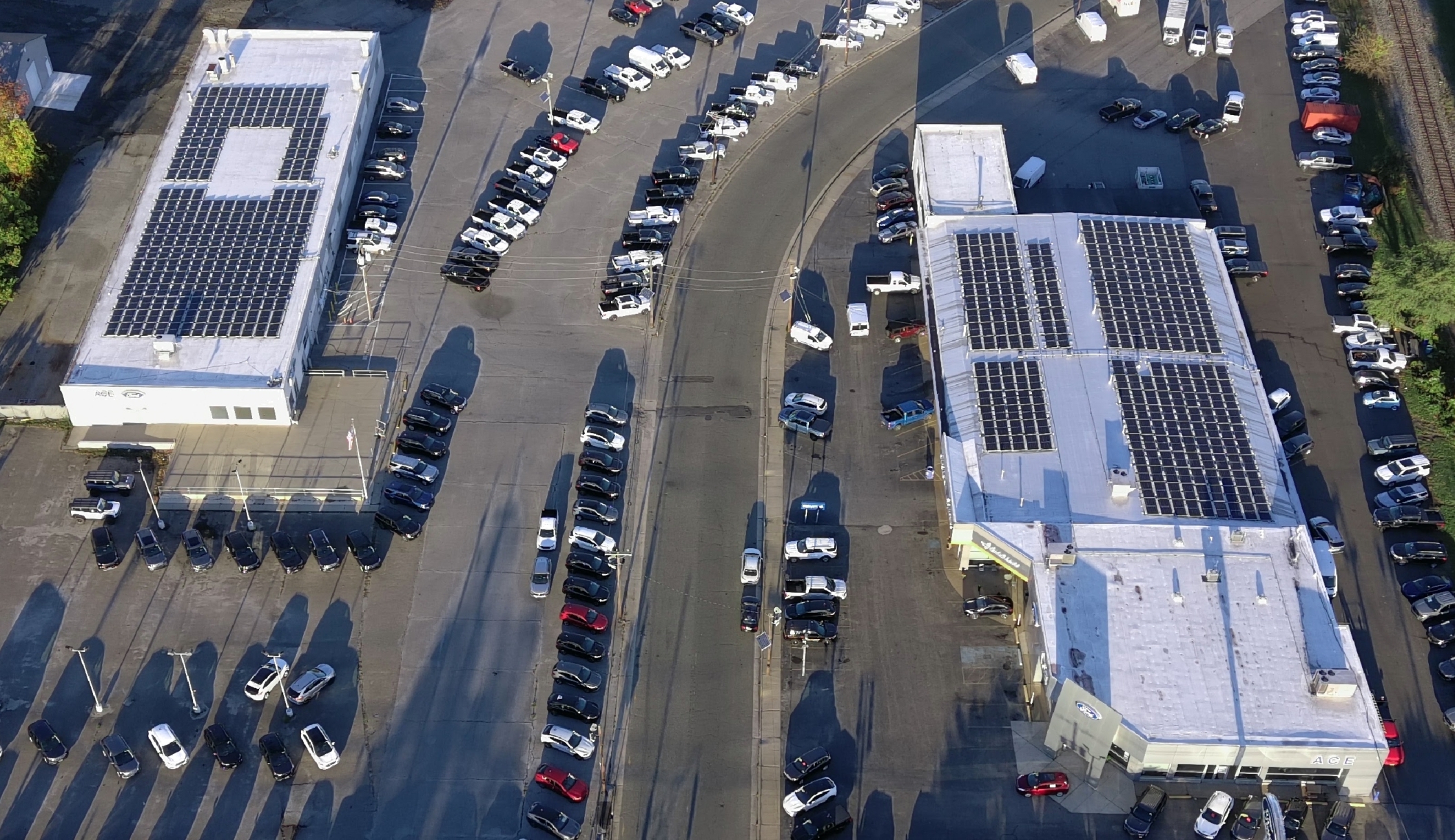
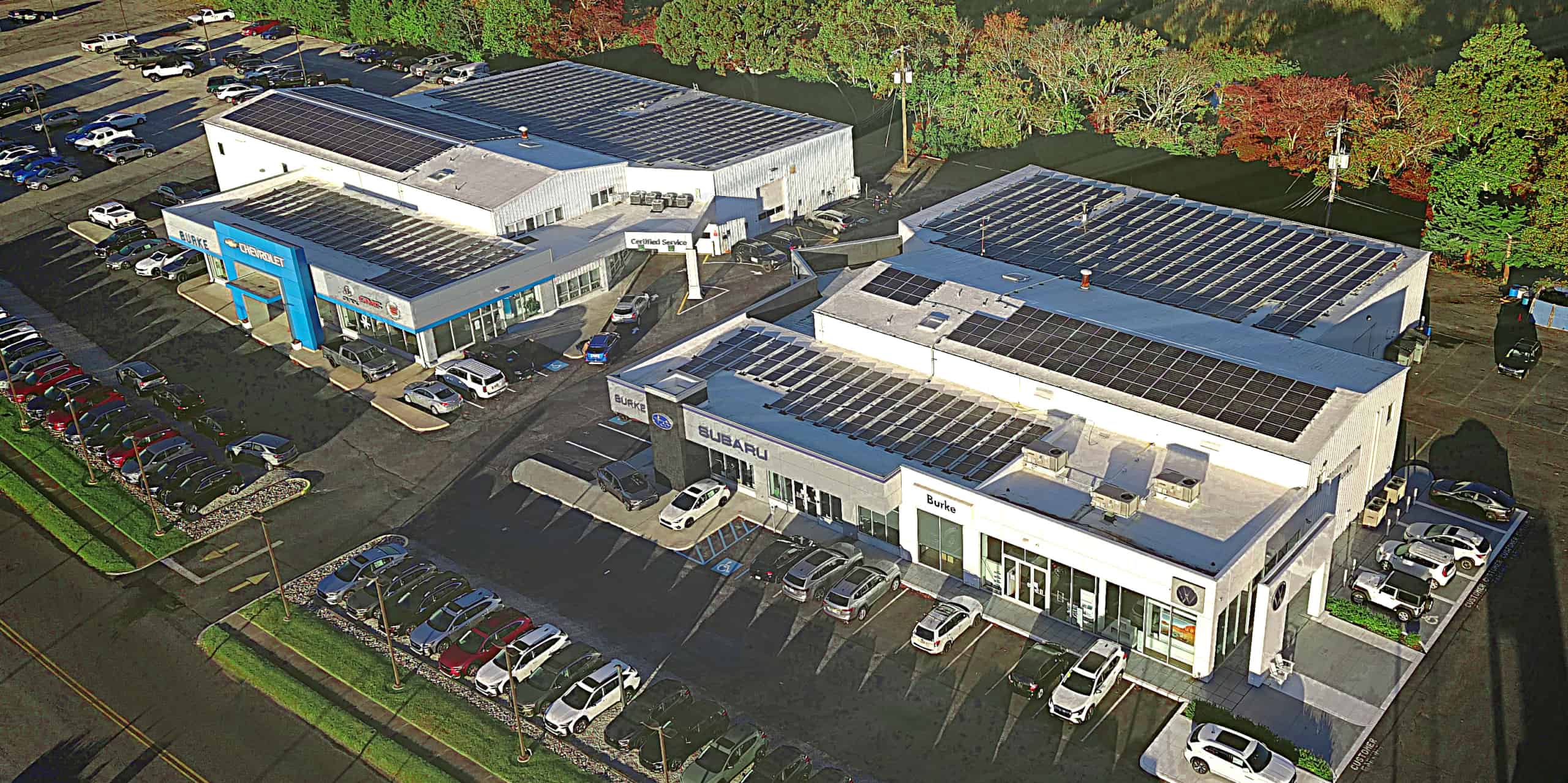
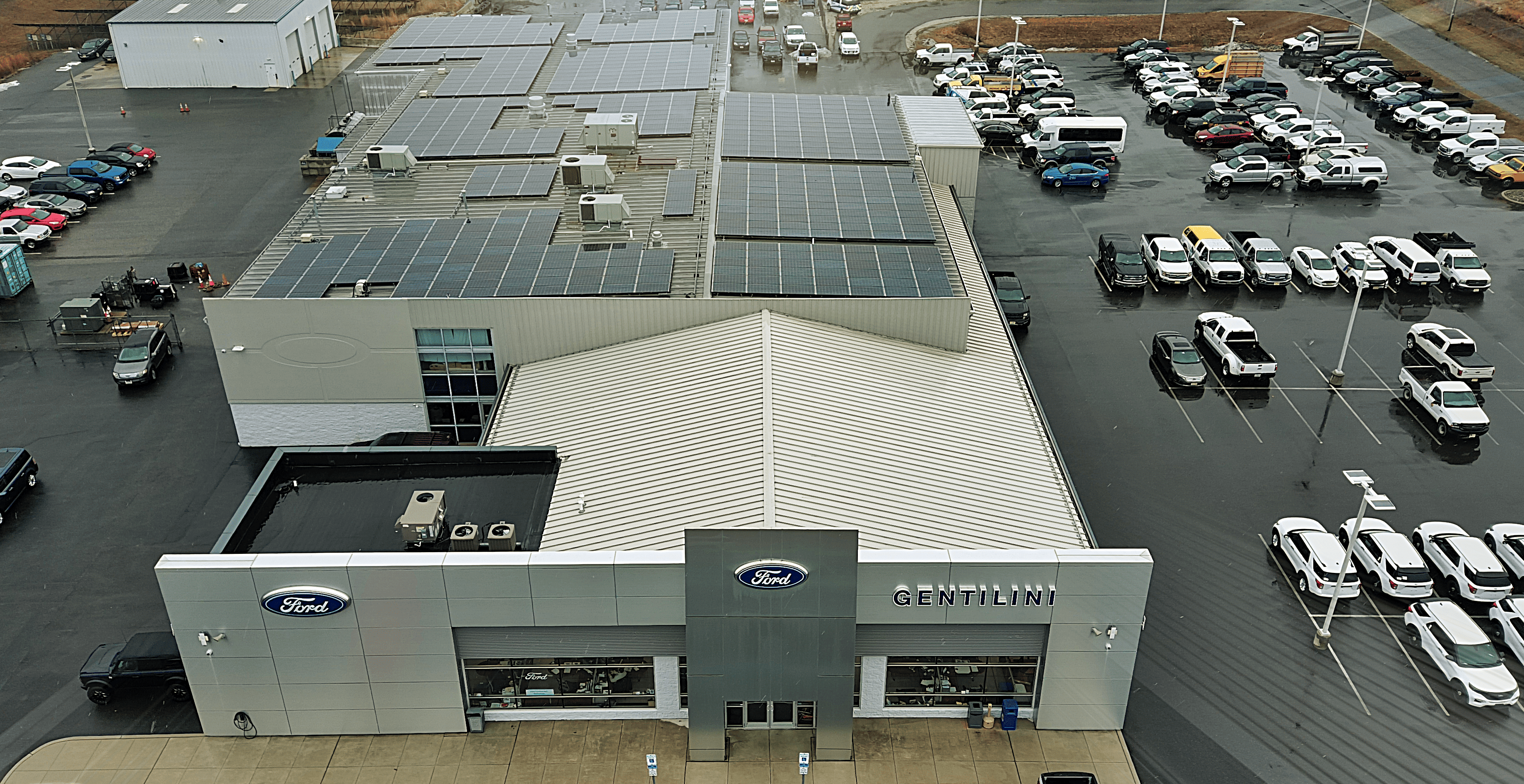
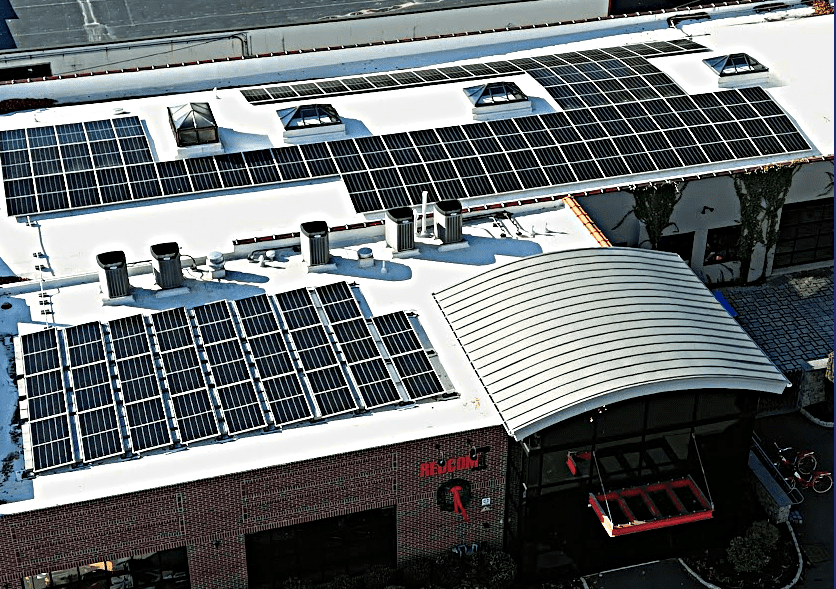
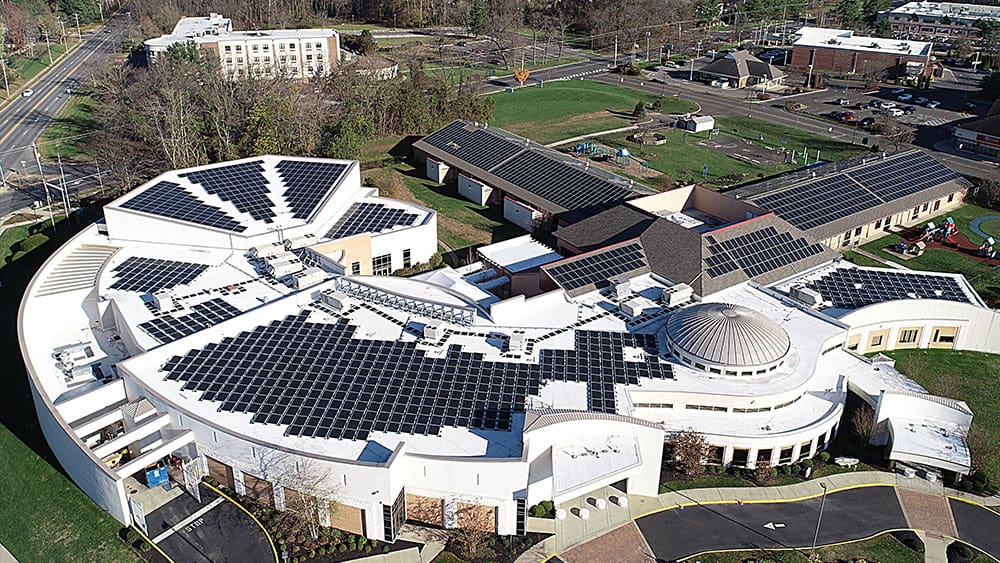
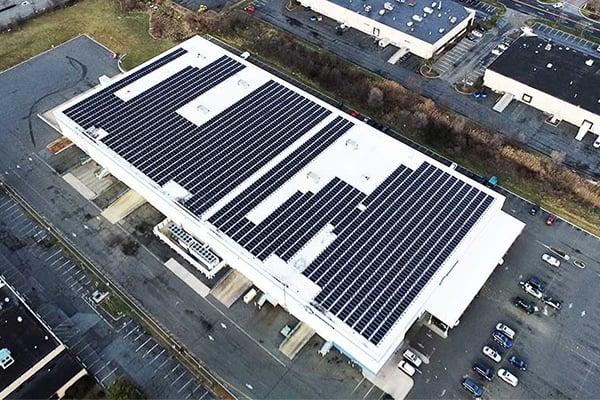
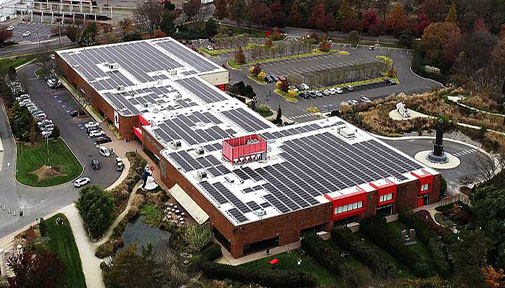
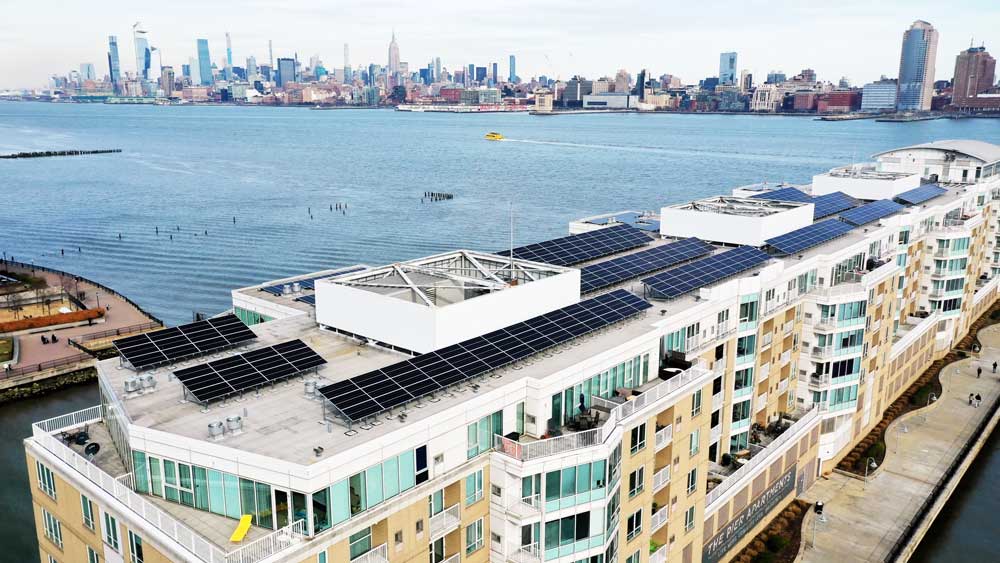
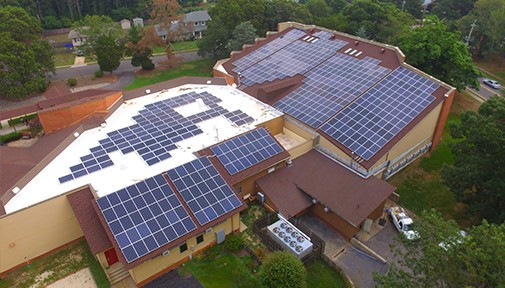
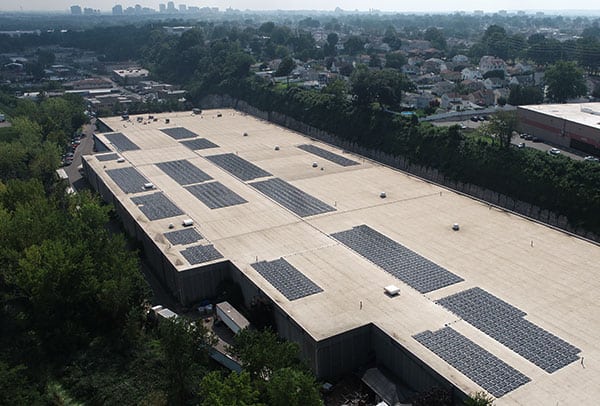
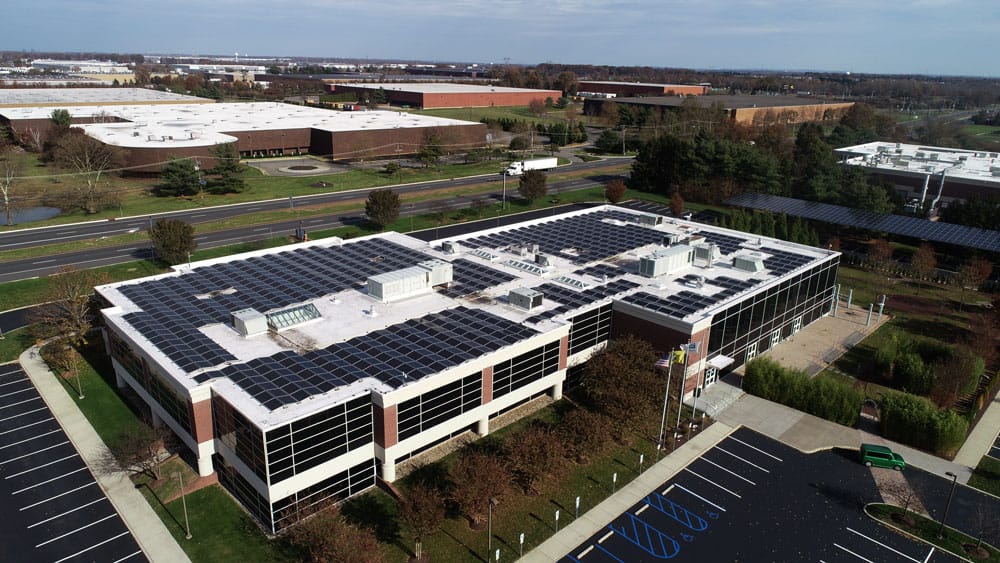
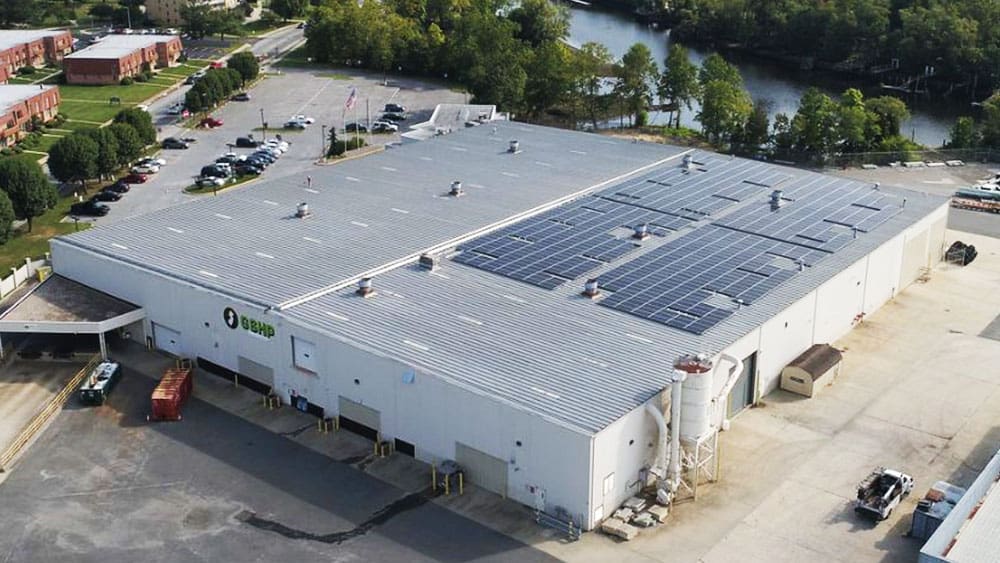
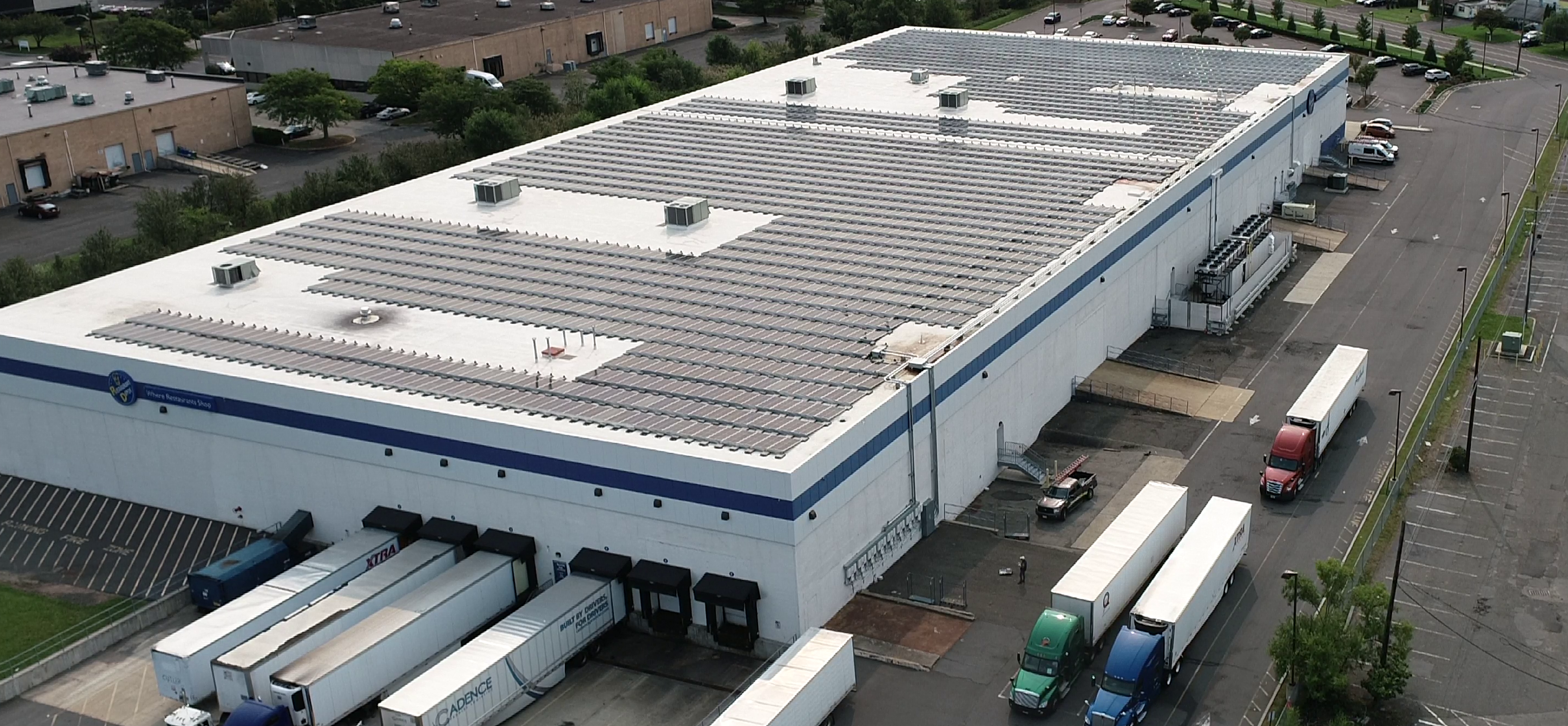
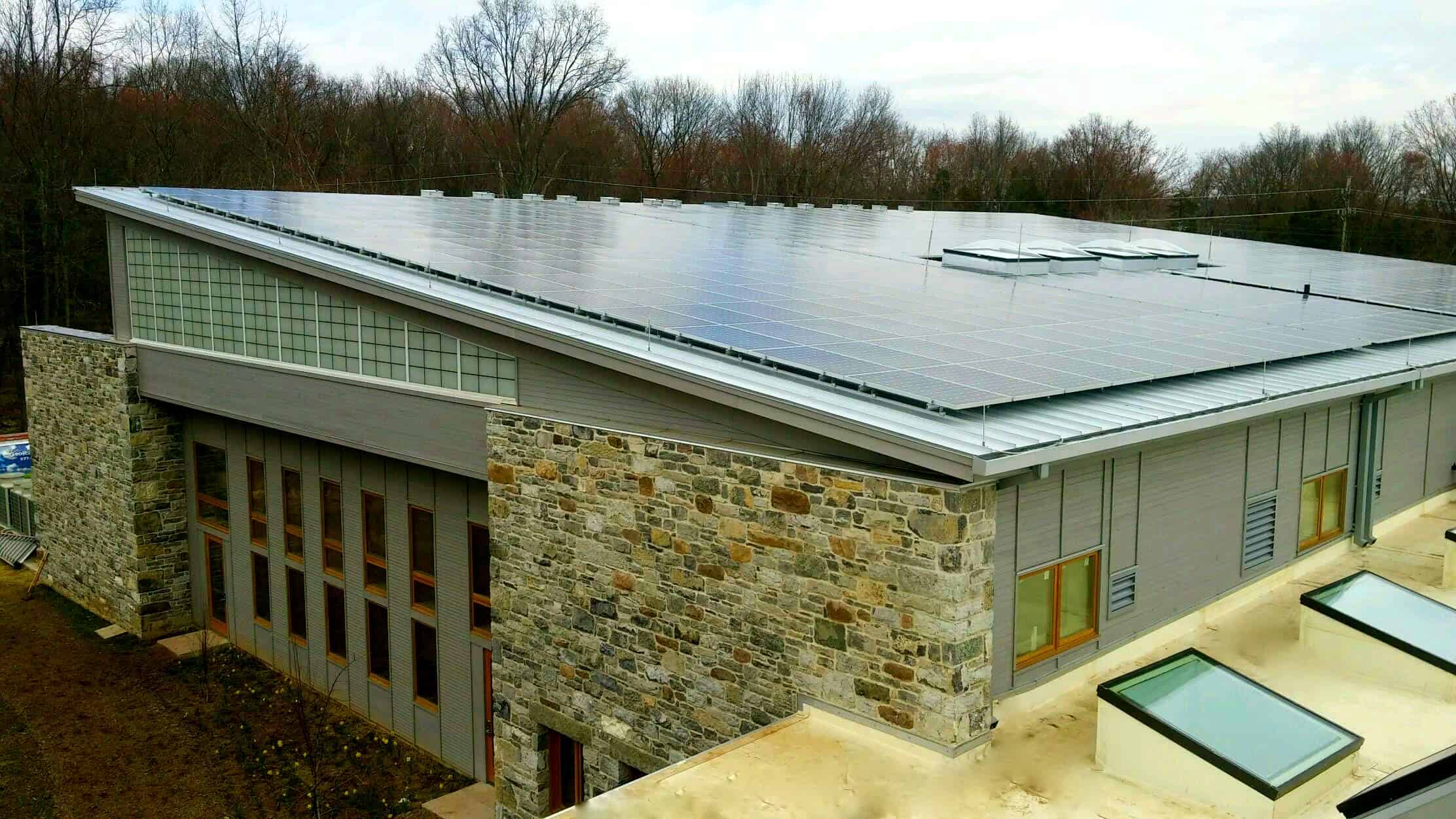
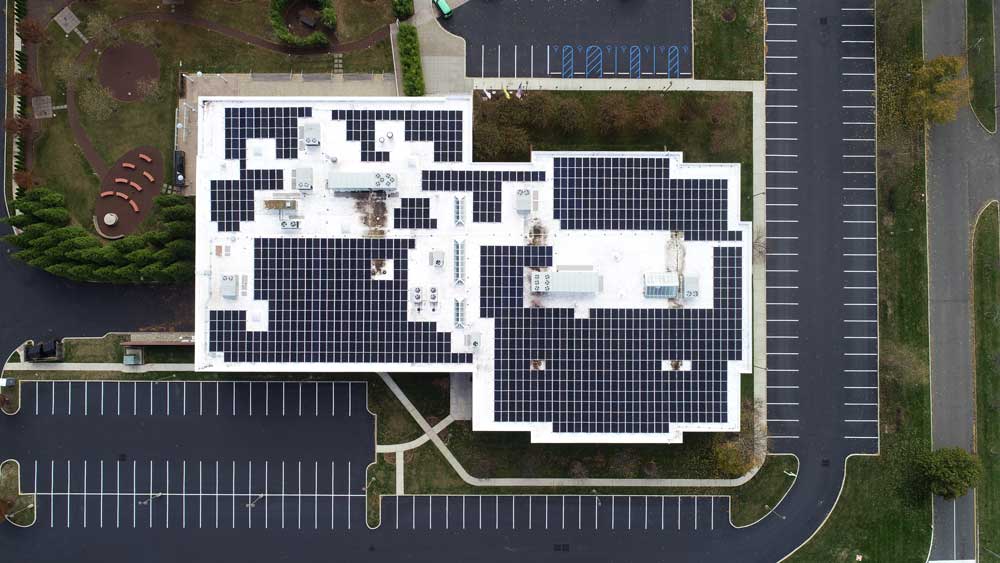
A solar system in which solar panels are mounted directly on the roof of a building or adjacent structure. The majority of solar systems are mounted on a roof.
· Roof Pitch
Usually, the roof pitch is the tilt of the solar array or the angle at which a solar array is set to face the sun relative to a horizontal position. Roof pitch is an important element in solar system design to enable your system to perform at its peak. Geoscape Solar engineers will inspect your roof and design a system for optimum roof pitch.
· Solar Alternative Compliance Payment (SACP)
Electric suppliers must use solar energy to produce a certain amount based on the Renewable Portfolio Standard (RPS). If an electricity supplier falls short of the RPS target, they need to go out to the Solar Renewable Energy Certificate (SREC) market to purchase certificates. The SACP effectively sets the ceiling price of each SREC, while SRECs will typically trade at a discount to the SACP price.
· Solar Array
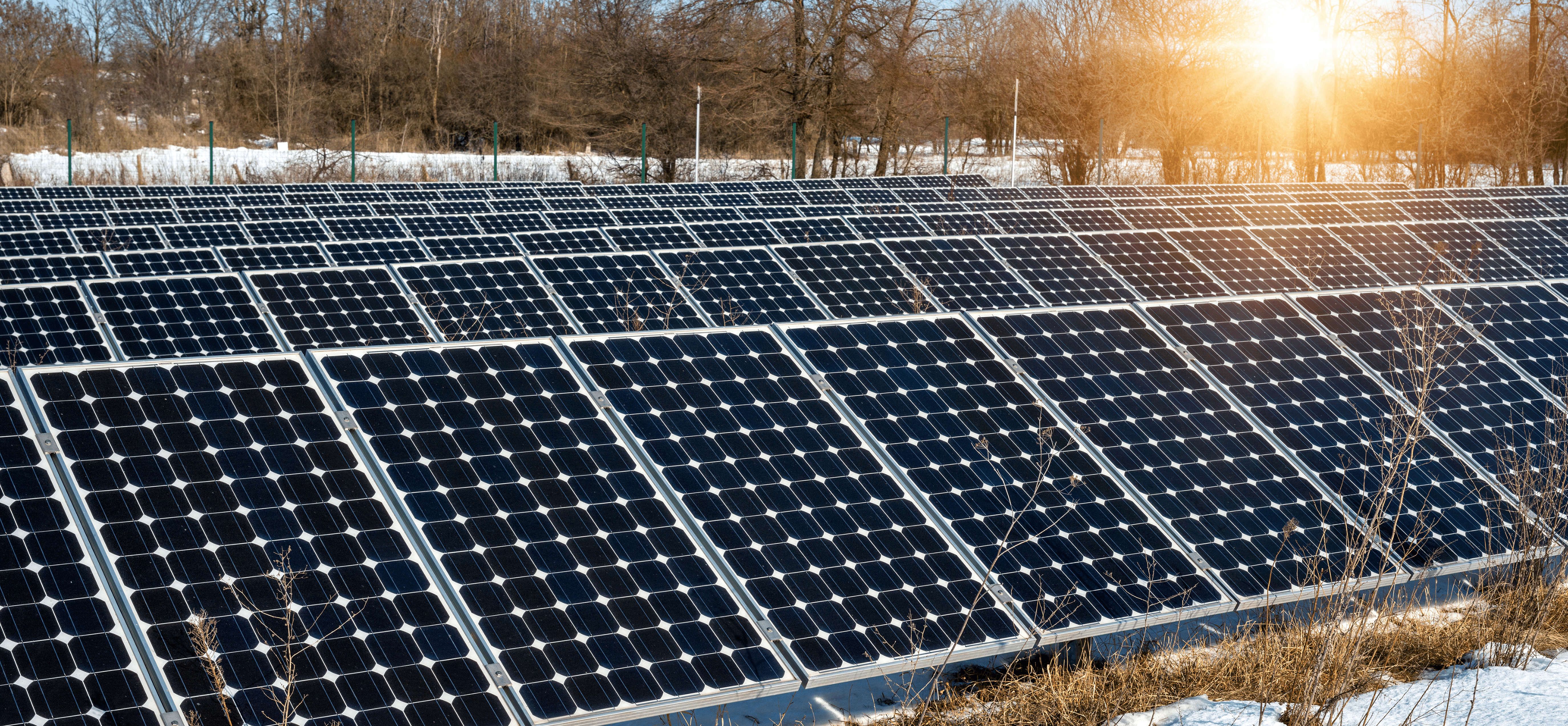
A group of solar panels collectively makes up a solar array.
· Solar Energy
Electromagnetic energy transmitted from the sun. In order to power buildings, this energy must be captured and converted to alternating current electrical power.
· Solar Panel
A group of solar cells arranged into a panel that can be installed onto a flat surface. They also can be called solar modules. The panel captures sunlight and converts it into direct current power.
· Solar Renewable Energy Certificate (SREC)
You earn one SREC for each 1000 kWh your system generates. Geoscape Solar installs a separate meter to track your system production and to report for SREC trading. These SRECs are traded on a market ensuring the highest price possible. SRECs are in addition to your energy savings. You will generate SRECs for 15 years after installing your solar system. This is income that your solar system will produce year-after-year. SREC Easy Trade™ service for trading your SRECs is included at no additional cost as part of Geoscape Solar Easy Care™, but does involve a trading commission.
· String Inverters
Traditional string inverters convert direct current energy produced in panels to alternating current energy you can use in your building. The main problem with this "string inverter" approach is that the string of panels will act as if it was a single larger panel rated to the worst of the individual panels within it. For instance, if one panel in a string has 5% higher resistance due to a minor manufacturing defect, the string as a whole will perform 5% worse (or thereabouts). This situation is dynamic; if a panel is shaded its output drops dramatically, affecting the output of the string as a whole even if the other panels are not shaded. Even slight changes in orientation can cause mismatches in output in this fashion. Geoscape Solar utilizes microinverters in all of its non-profit installations to ensure peak system performance.
· Utility Grid
The infrastructure of power lines, transformers and substations that delivers electric power to institutions. The utility grid is owned and managed by electric utility companies.
· Utility Meter
A device that measures the flow of electricity between a site that uses electricity and the electric utility company. Your utility will swap out your existing meter and install a new net meter at the end of an installation. When a solar system produces excess power, the new utility net meter literally spins backwards.